
The winter farmer’s secret winter arsenal: ideas to harvest in spring
2025. November 27.As the frosts approach, many gardeners and farmers are thinking that there is nothing to plant for a while, and that they will have to wait until spring. But of course, that doesn’t mean there’s nothing to do during this period. At this time it becomes very important to prepare for the next growing season. So it’s important not only to look after the crops and the fields from April to October, but also in January.
The importance of preparing for winter
The soil is working for us even when there are no green plants on it. Soil, crop rotation, soil strength and consistency will all be crucial in the spring season. Allowing the soil to rest properly, preparing for the winter season in a conscious way, is guaranteed to pay off. For example, plant residues left downstairs can often cause disease in the following season, which is why proper autumn and winter cleaning is key.
In addition, if you can sow or overwinter certain varieties in winter, you can also get an earlier harvest. In late winter and early spring, there will be something to harvest, something to eat, something to trade. The statistics are also telling, as in most cases it is clear that winter is not a time of loss but of opportunity.
Tip 1: Preparing the soil is the key to spring success
The first winter weapon is thorough soil and bed preparation. But this requires clearing away the aforementioned crop residues. As previous crops decompose, pathogens or pests may remain that could launch an attack on your farm next season. It is worth assessing soil pH and nutrients in autumn or early winter to prevent deficiencies before the frost point.
It is also important that compost applied for winter can improve soil structure, water run-off and nutrient transfer. It is also worth preparing before the really hard frosts set in. And if you leave empty spaces, cover them with mulch or green manure to reduce erosion, nutrient loss and help the soil to start better and faster in the spring.
Tip 2: Winter sowings and overwintered plants
Growth does not stop in winter. It is worth planting and wintering plants that will take advantage of the winter period and produce early in the spring. Kale, for example, can be sown in the autumn and harvested early in the spring. But this is also true for peas, onions and many other crops that can be useful for a farmer, for example.
Tip 3: Building a microclimate and designing protection
Bowl time is not just a time for rest, as it is an opportunity to build a microclimate on the farm that can fundamentally improve spring and summer production. Most importantly, the walls retain heat and reduce air movement, so it makes sense to build beds next to warm, sunny walls in the south if you are dealing with a small farm.
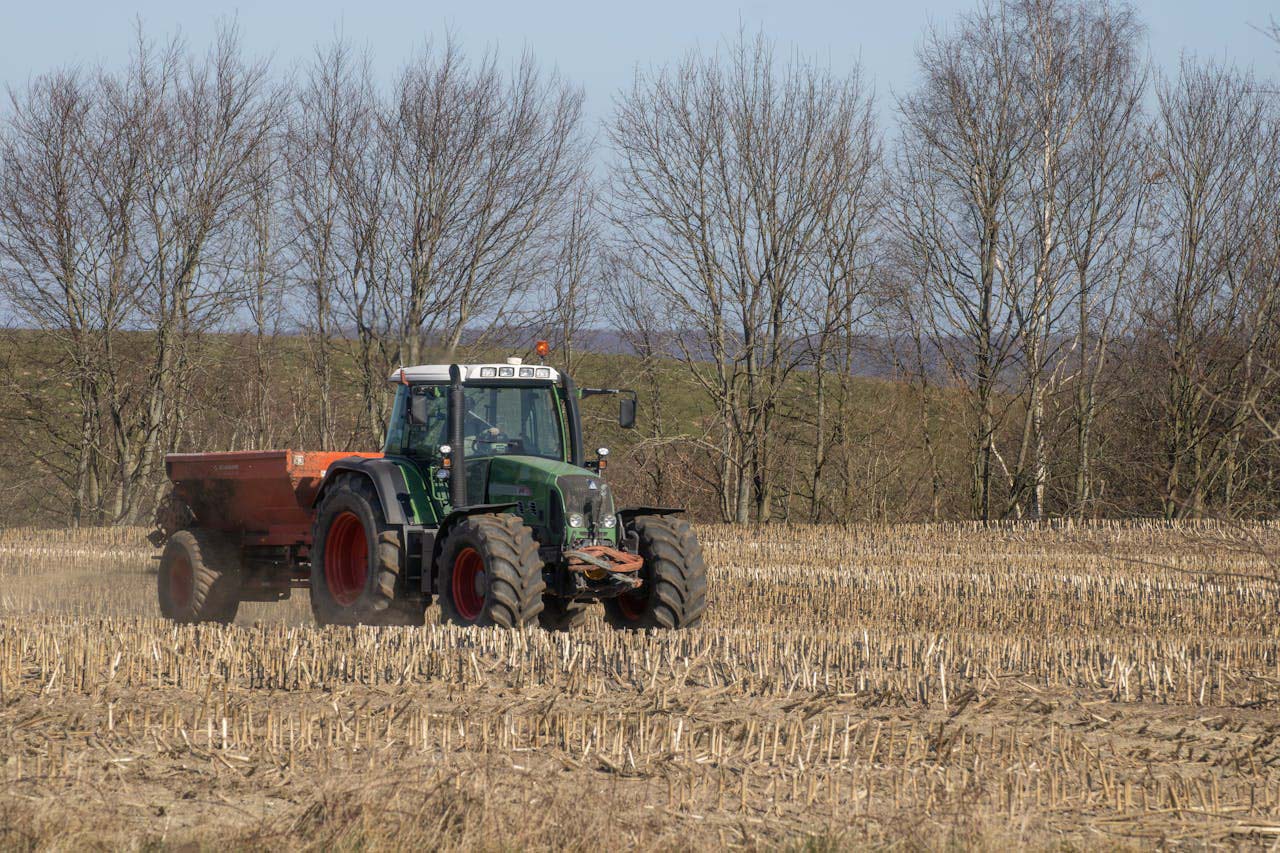
On larger plants, the crop can be protected with foil and blankets. Greenhouse film, for example, is a great way to give cold-tolerant plants a longer growing season.
Tip 4: Harvest in early spring
Once we have prepared everything and sown some crops over the winter, we can expect to have to get our farm machinery out earlier in the spring. Overwintered crops such as kale or winter green salad can be harvested earlier, so we can get the farm started at that time. And if you have several areas, it makes sense to grow them in separate plots so that you don’t have to harvest the whole area at once, but can reap the benefits gradually. It also helps to manage the work and the machinery more easily.
So winter does not mean just feeding the animals and waiting for the spring sowing. The steps taken at this time are not lost, and will pay off in the spring. Areas that are just waiting for the weather to be nice often fall behind those that are preparing ahead of time.