
This will reduce soil treading damage. The role of the right choice of machinery
2025. December 10.Soil treading damage is one of the most, if not the most, underestimated problems in modern agriculture. The use of heavy machinery, inappropriate timing and poorly chosen cultivation technology can lead to a long-term loss of productivity. As soil is the most important element of farming, it needs to be looked after and its structure protected.
Causes and consequences of soil treading
The primary cause of soil treading is the weight of the agricultural machinery and the soil pressure on the wheels. When working in the fields, tractors, sprayers, seed drills and harvesters regularly cover the same ground, causing compaction of the land over and over again. Soil compaction in turn reduces drainage and absorption capacity, inhibits root development and reduces aeration, resulting in reduced yields.
Persistent soil compaction affects land for several years. It becomes harder for plant roots to penetrate deeper and deeper, resulting in less access to nutrients and water. Rainwater simply runs off the surface, increasing erosion. Poorly aerated soils also have a significantly higher rate of harmful processes, which can also lead to reduced productivity. For all these reasons, one of the most important tasks for farmers is to prevent damage.
What are the benefits of using the right tyres?
The type and pressure of the tyre is the most important factor determining the ground pressure of a machine. Modern agricultural tyres, such as IF or VF tyres, can cover a much larger area, thus reducing the load per area. This can be an important factor, especially for more powerful tractors and combine harvesters.
Setting the right tyre pressure is also a very important factor. Lower tyre pressures result in a larger contact patch, which in turn reduces soil compaction. Not to mention the use of tracked vehicles, such as tracked tractors and combine harvesters, which can reduce pressure even further by spreading the load over a much larger area. However, pressure reduction can only be effective if the load capacity of the tyres allows it, and for that you need to choose well.
Weight and working width of the machines
The choice of machine is not all the same. The weight of the machine and the working width must be taken into account. It is possible to carry out a given operation with fewer passes, but this requires the use of agricultural equipment with a greater working width. Modern, more powerful seed drills or sprayers, for example, reduce the number of passes required, thus reducing trampling damage.
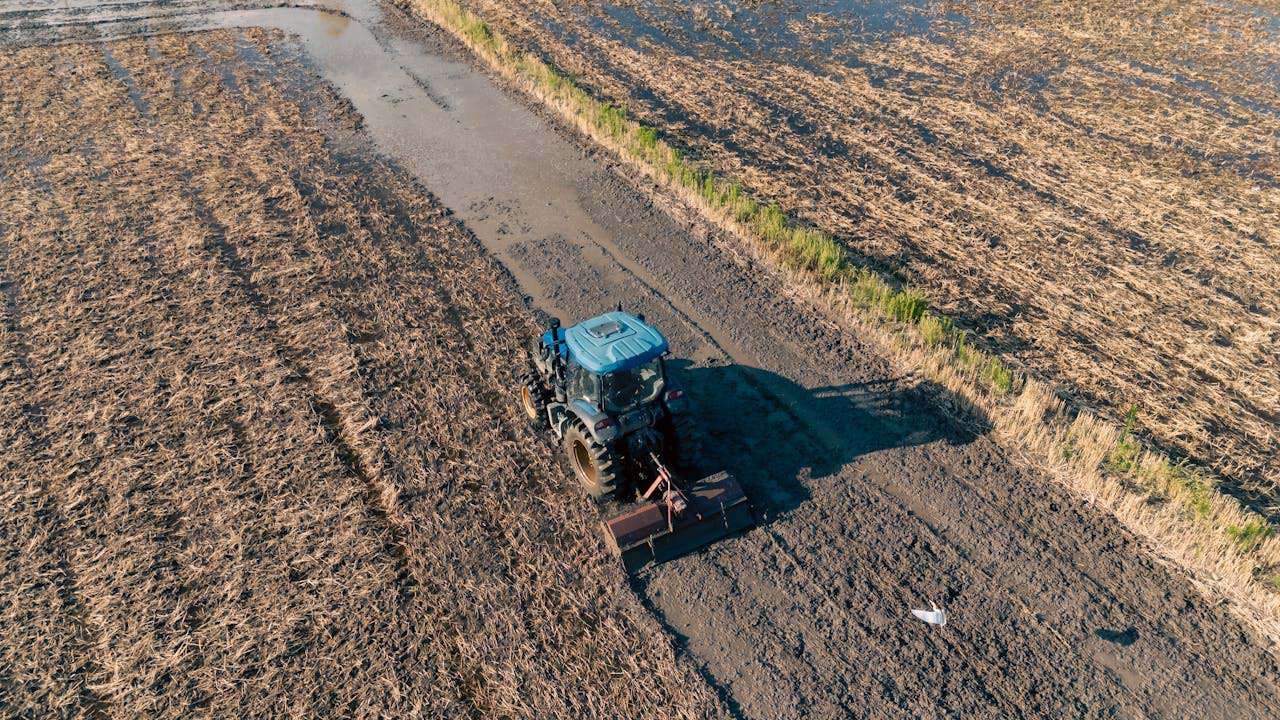
But it’s not just the bigger machines that can help. In many cases, light machines can be good too, but you need to choose the right machine. If you can do this, you can protect the soil, especially if the weather is rainy. Farmers should therefore look first and foremost at whether they really need a powerful tractor to do the job, or whether a smaller version with the right accessories might be sufficient.
Less driving, less damage
Last but not least, precision technologies, whose application is now indispensable for soil-friendly farming. GPS-based automatic steering and line guidance allow machines to follow exactly the same path at all times. This in turn drastically reduces the amount of trodden land per cultivated area.
What does this mean in practice? If, for example, tractors, sprayers and harvesters have a uniform track and working width, the implements will always follow the same track. The result is that 70-80% of the soil will never encounter wheel pressure. The end result is that, in the long term, soil structure, water management and productivity are significantly improved.