
The impact of industrial agriculture
2024. July 15.How does the production of food today affect our environment, our health and our daily lives?
Today, more and more people are paying attention to what they eat, where it comes from, where it is produced and how it is put on the table.

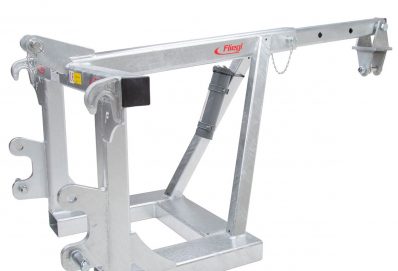

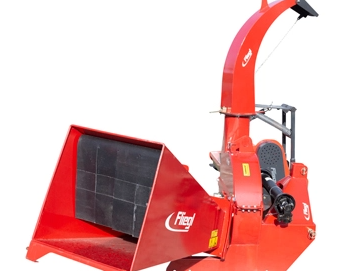
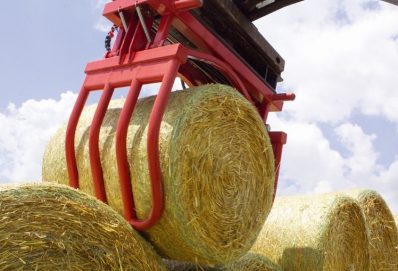
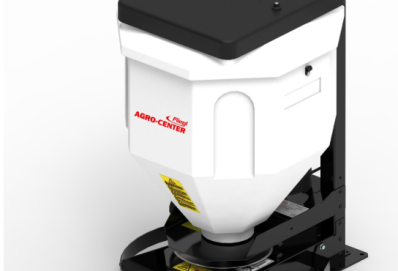
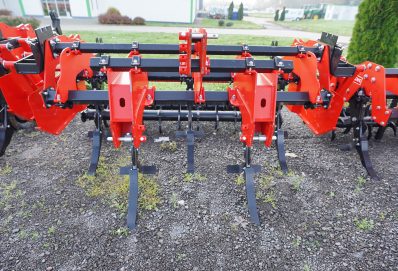
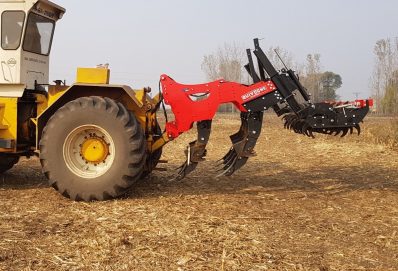
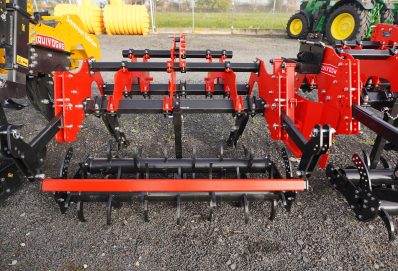




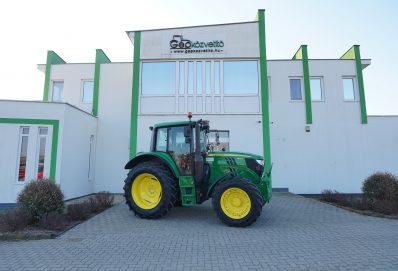
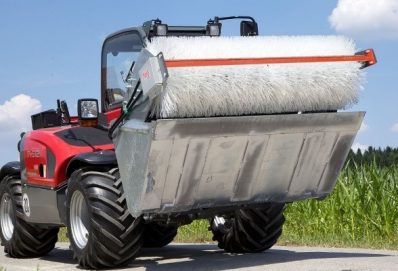
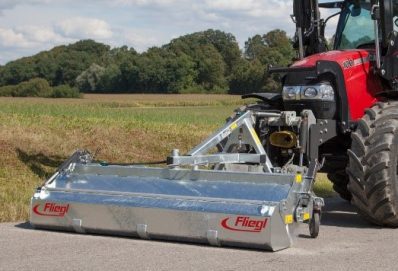
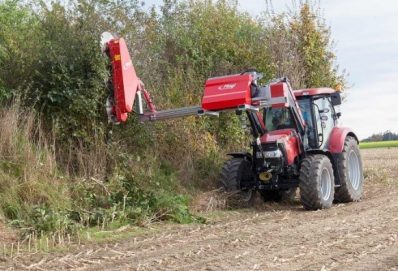


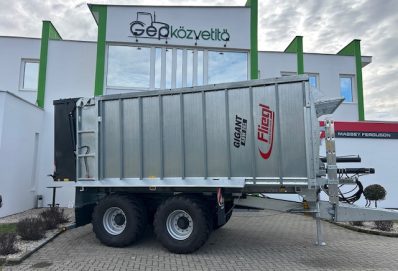
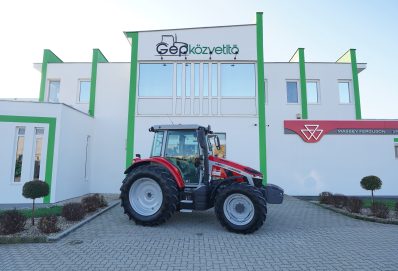


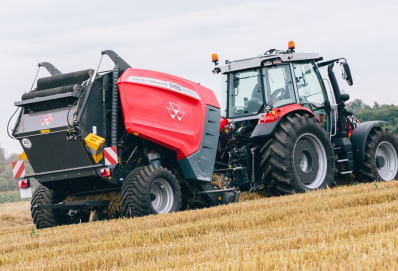


Hungary could be self-sufficient, and there would be no need to use these products.
Below we give you an insight into the impact of industrial agriculture.
We will also explain why it is worth buying from smaller companies and producers.
Farmers in the world
In this modern world, the aim of every major farmer is to plant and harvest more and more land.
Machinery is also designed and built to do this, giving them more and more different types of agricultural equipment to choose from, making their work much easier.
The only question now is how good it is to cultivate land at this time of year.
The larger the farm, the more insecticides, herbicides and fungicides are needed to reduce crop losses.
It is true that in the current situation it is not possible to do away with these products altogether, but it is certain that the spraying machines are too busy in the fields.
This is not only destroying the food but also the soil itself.
Moreover, most farmers already routinely treat their crops, spraying them with several pesticides rather than just one, so that they can avoid heavy infestation.
By way of comparison, an average apple orchard in Germany is treated with 34 different pesticides in a single season.
At home in the garden, however, this is much less, with a maximum of 1-2 applications.
The fact is that there is a higher yield loss, but the food we eat is much safer.
The chemicals used in agriculture are present in almost every part of the world, damaging the land and people.
In principle, they would not be a problem if they were used in the right quantities, but let’s face it, in many countries this is not the trend.
The biggest problem is that we have already destroyed the basic systems and processes necessary for life, soil fertility has declined, water quality has deteriorated, not to mention air purity.
Insects are fewer and fewer, so there is no one to pollinate our plants.
All this is due to spraying and industrial agriculture, which in many cases lacks proper control.
Yet, if less chemicals were used, the situation would probably improve.
Biodiversity
 Pesticide application has a huge role in biodiversity loss.
In the EU, one in four species is at risk from agricultural run-off, which is rich in pesticides and fertilisers containing both nitrates and phosphates.
Mammals surveyed in Europe are down by 27%, and their situation is getting worse every year.
Large-scale farming based on pesticide use is polluting the environment with chemicals that are bad not only for food but also for our health.
Choose smaller producers
By buying directly from the producers, we not only support their growth, survival and development, but we also have access to much healthier food.
If they don’t have to sell to the bigger markets, they will have more money in their pockets and will be able to buy machinery that will make their work easier.
It could be a newer tractor, a ploughing tool or a knife roller.
At European level, it would be an important task to phase out synthetic substances from agriculture.
We should anticipate the use of neurotoxins, carcinogens, mutagenic chemicals and chemicals that disrupt the reproductive organs.
These are present in many shop-bought fruit and vegetables and can also be detected in flour and foodstuffs made from them.
Even if you are unable to produce these ingredients yourself, you should buy them from the smaller producers mentioned above, who are less likely to use them.