
Plant diseases due to mild winter
2023. May 26.With record-breaking temperatures all winter, this was already a cause for concern for both farmers and orchard workers around December.
Mild winter weather can be damaging to crops, causing serious headaches and financial losses for farmers.
Pests do not die out, so it is necessary to spray much more often and spend much more on prevention.
Early spring-winter weather
As we headed into winter, it was noticeable that the weather was early spring almost the whole time.
Neither the farmers nor the vegetation were able to prepare for this.
The problem is that this has resulted in a smaller amount of crops being sown in the autumn, and it also means a lot of extra expenditure for farmers in terms of plant protection.
The unusual weather conditions mean that physiological processes start too early and pests are present in gardens and meadows earlier and in greater numbers.
The mild weather has therefore created difficulties for growers, as the development of dormant plants has been severely disrupted by temperature fluctuations.
During the dormant period, species have time to recover before the next harvest, but when the winter is warm, development starts prematurely.
This is particularly detrimental to overwintering plants such as winter wheat, barley and perennial ornamentals.
Because of their life cycle, these require a certain length of dormancy to ensure ideal yields.
If they wake up too early from this state, bud break and moisture circulation can occur prematurely, so that spring frosts can cause even greater damage, which is impossible to protect against.
Plant diseases and pests
Let’s not forget that an average crop protection cycle would require 10-15 days of continuous daytime temperatures of around -10 degrees Celsius.
Perhaps we are not telling you anything new by saying that this has not been the case in the current or past winters.
This would be the time that could sufficiently thin out the overwintering insects, fungi and mites.
If this does not happen – and it has not – then we can expect an explosion of infection and invasions, which will have a detrimental effect on the development of plants.
Added to this, if the weather is too dry and warm, overwintering mealybugs and spider mites can survive the colder weeks and months in large numbers. 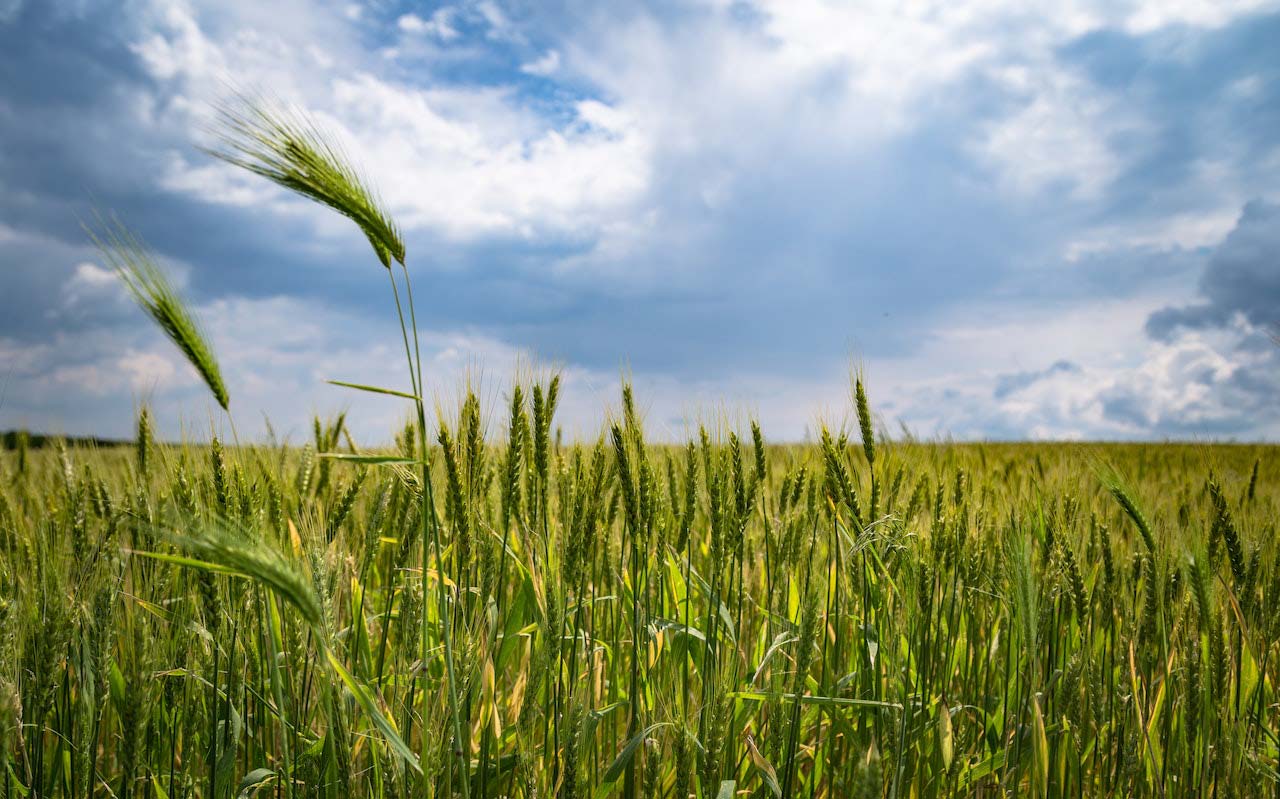 As for the shoot crops, nematodes overwintering in the soil also attack and damage in larger numbers.
For sprouted vegetables, especially those growing under a film, lack of sunlight can be a problem.
This is compounded by the phoma epidemic in oilseed rape and the plethora of rust diseases in winter wheat and barley.
The challenge is even greater for barley, where early aphid infestations and the viral infections they cause can also be a problem.
In the field, it is already clear that the price of crop protection this year will be very high, and this must be taken into account in the financial planning.
It is therefore important to check the condition of the plants regularly and intervene if necessary, as in most cases we cannot wait until the summer.
Wheat and barley are most at risk
Let’s go into a little more detail on wheat and barley.
Some fungal pathogens remained almost completely intact last winter.
This is already a problem in spring for both wheat and barley.
Early crop protection has already been applied in many areas in early April, and where it has not yet been applied, it will be soon, as fungal diseases are already widespread in cereals.
This is exacerbated by the fact that already in the autumn a very heavy infestation has developed, leading to mass disease outbreaks.
Another problem is septoria leaf spot, which, although rarely a major threat, cannot be ruled out this year.
The first symptoms of the infection were already seen in January, when mass leaf drying and infected leaves were discovered on the plants.
In addition, the current weather conditions of 15 to 20 degrees Celsius, combined with rain and humidity, are very favourable for the pathogen, which only helps the spread of the infection.