
Land fed by modern machines: how new tractors are revolutionising production
2025. August 14.Today, agriculture is increasingly moving towards data, automation and precision solutions. New tractors are usually GPS-controlled, but there are also self-driving machines with sensors that work in conjunction with intelligent sensors on the ground.
As a result, production is much more efficient and sustainable than before, and greener production is not the least of the benefits. This combination has completely transformed farming.
GPS-guided tractors and automated works
Increasingly, modern equipment is equipped with GPS or GNSS navigation, which can be used to precisely control queues, reduce overlaps and increase natural efficiency. Vehicles used in precision agriculture automatically carry out planting, spraying and harvesting, all while optimising the seeds, fertilisers and even chemicals used. Some brands have a broader range of self-driving tractors, such as John Deere, which uses advanced sensors to control tillage and spraying while monitoring soil quality.
Real-time data collection
Sensors installed in agricultural soils provide accurate data on soil water content, nutrients, pH, EC and nitrogen levels. These LoT-based wireless devices allow the tractor to react in real time to changing soil conditions. This allows site-specific fertilisation and irrigation. And some companies are already working on prototypes that will initially offer laser nanosensors that can be mounted on the seed drill to provide precise information about the soil of individual crops.
The question of application
Variable-dosage technology allows farmers to apply different amounts of seed, fertiliser and other chemicals to different parts of the field. This can be map-based, based on a pre-drawn prescription map, or sensor-based, which responds to real-time sensed soil data. This approach not only saves the farm money by using less material and less fuel, but also reduces the impact on the environment. How? By applying less fertiliser to the soil and water courses.
How to compensate for the lack of human resources?
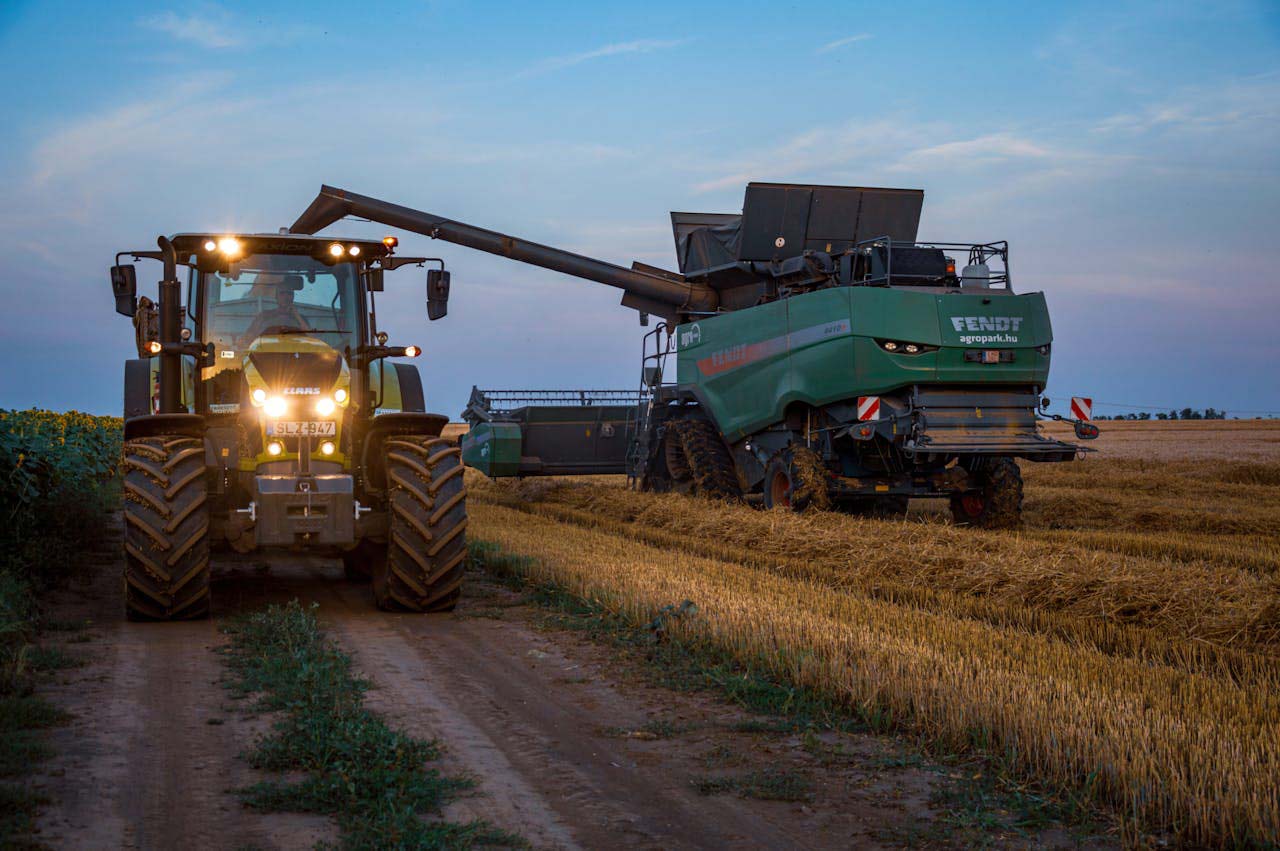
With fewer people working in agriculture, companies have been forced to look for other alternatives. Self-driving tractors are becoming increasingly common in global agriculture. John Deere and other major players are offering farmers a variety of autonomous or supervised autonomous machines. A driverless device can follow a human-guided one, but can even be capable of full autonomy when operated as a robotic machine. This system will play a very important role in areas where there is a serious shortage of labour, such as family farms or European farms. In fact, in some parts of the world, an artificial intelligence-controlled system has been demonstrated that can be retrofitted to any tractor, enabling driverless work.
As for artificial intelligence, drones and AI systems will provide additional resources for monitoring crop conditions. They may even be able to detect diseases and pests earlier. And with current technology, even nutrient and water use can be optimised. In wine-growing areas, for example, self-propelled tractors controlled by artificial intelligence analyse the vegetation and carry out optimised spraying, which can significantly reduce the use of fuel and chemicals mentioned above.
Some companies are launching electric, AI-driven tractors that are not only self-propelled, but can also collect data and even display energy use, carbon emissions and water consumption. This will make them the most important tools for sustainable farming.