
Müthing stem crushers, Güttler tillage implements
2026. May 27.One of the great challenges of modern agriculture is to achieve sustainable, cost-effective and soil-friendly production. The right machinery, especially crushing and cultivation equipment, plays an important role in this. Managing crop residues and maintaining soil structure not only increases yields but also ensures long-term soil health.















Mulching, for example, not only covers the shredding of stalk residues, but also helps to control pests and diseases and reduce weed infestation. Not to mention the fact that it is effective in helping humus formation, which can improve soil structure and water retention.
So let’s take a look at the tools available for crushing and cultivation.
Müthing shredders: the machines for precise shredding
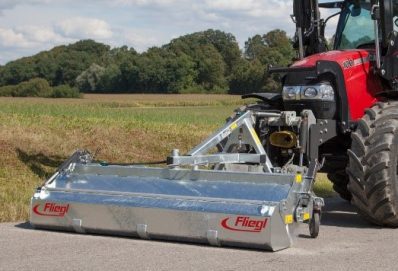
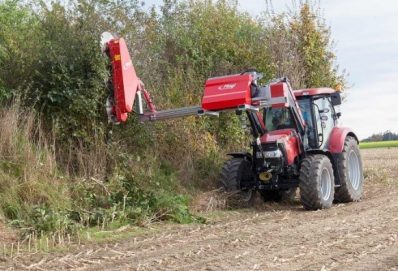
Müthing stem crushers have long been proven in Western Europe and are becoming increasingly popular in Hungary. The wide range of machines gives everyone the opportunity to find the right model for their needs, from small gardening applications to large-scale agriculture.
One of the main advantages of the machines is the use of patented technologies. One example is the “shark’s fin” upright knife system, which offers excellent chopping quality even with large amounts of stalk residue. The rotor design and the adjustable cutting edge allow the optimum suction effect to be achieved, resulting in a uniform chop.
The machines have the added advantage of robust construction and the use of high quality steel, which guarantees a long service life and operational safety. The spirally arranged hammers and heavy-duty bearing arrangement reduce vibration, thus increasing working efficiency.
The Müthing stem crushers are therefore versatile: not only in arable crops, but also in orchards, vineyards and communal areas. They can also be used for chopping maize and sunflower stubble and for maintaining field margins.
Agronomic benefits of mulching
Stalk crushing is not just a technological operation, as it is of great agronomic importance. Properly shredded plant residues decompose more quickly, providing nutrients for the next crop. Not to mention that the mulch layer reduces soil evaporation, which can improve water management.
Mulching can also help to maintain soil life. It increases the activity of micro-organisms, which improves soil fertility in the long term. It is no coincidence that modern farming is increasingly focusing on no-tillage and mulch technology.
The Güttler tillage tools
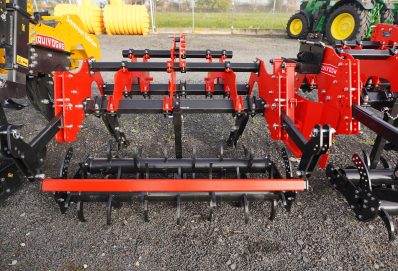
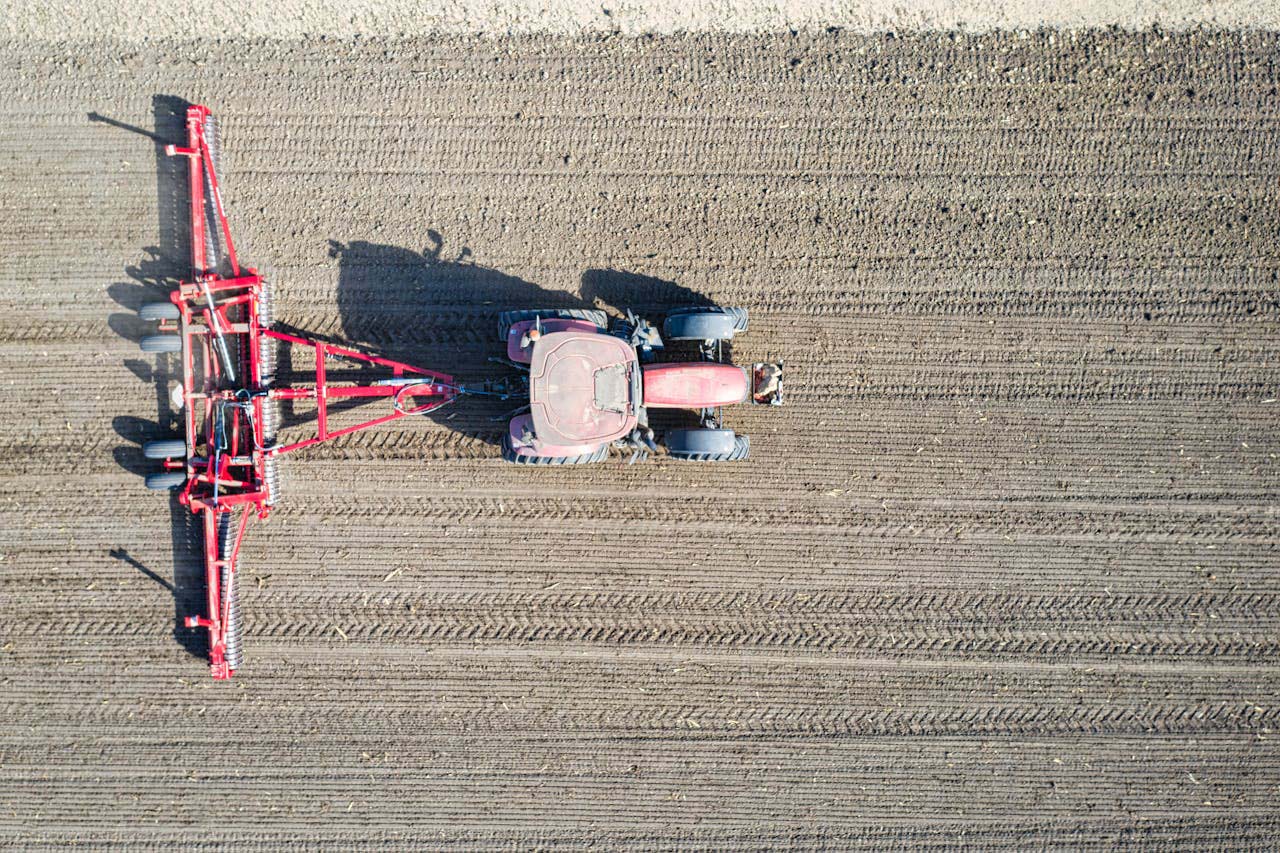
The Güttler brand immediately conjures up images of everything to do with soil cultivation. They have been developing for over 40 years and have numerous patents to prove their expertise. Perhaps the best known of these machines are the prismatic rollers, which have an excellent clod breaking and compaction effect thanks to their special star profile. These tools not only smooth the soil surface, but also create an ideal seedbed: fine at the bottom and more rugged at the top.
One of the outstanding features of the rollers is their self-cleaning ability, which allows them to work in wetter soil conditions. This is a major advantage in often changing weather conditions.
The role of cultivators and combined tools in agriculture
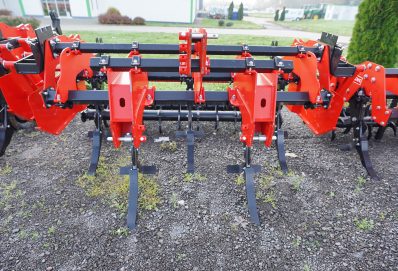
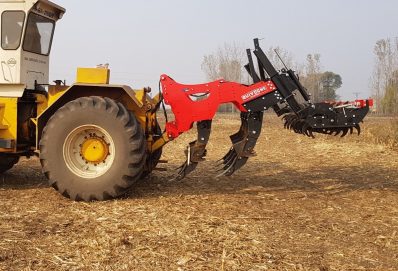
Güttler offers not only rollers, but also cultivators and complex tillage systems. The PrimusPlus cultivator, for example, is an excellent choice for basic cultivation, as it handles large amounts of stalk residue without clogging.
These tools are particularly well suited to mulch farming systems. And no-tillage is good because it preserves soil structure and moisture while reducing fuel consumption. And of course this has economic benefits.
Müthing stem crushers and Güttler soil tillage implements are thus the defining elements of modern agriculture. Precise chopping and preservation of soil structure together ensure efficient and sustainable crop production.