
This Is How Smart Booth Automation Compensates for the Shortage of Skilled Workers
2026. August 12.Agriculture has always been a sector where human experience and technology work together to drive successful production. A well-trained machine operator’s expertise often takes years to develop—by the time they understand the soil, get a feel for how the machine works, know when to adjust the settings, and figure out how to get the most out of a given work process.











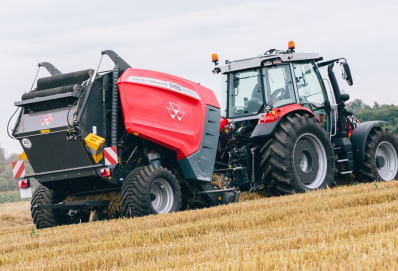
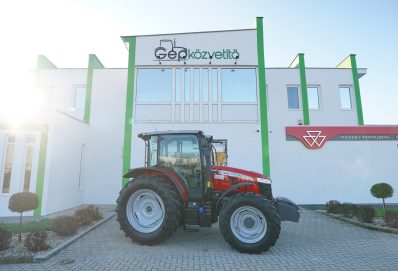
Labor Shortage
Nowadays, more and more farms are finding it difficult to find qualified personnel. This is because operating high-performance machinery requires specialized knowledge. The problem is that most farms must work efficiently over increasingly large areas in an ever-shorter amount of time.
This situation is driving market players to seek new solutions. The development of modern agricultural machinery is therefore no longer just about greater performance, but also about how technology can be used to make day-to-day work more efficient and simpler.
The smart cab is no longer a thing of the future
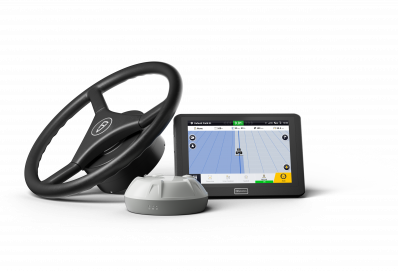
The cab of modern tractors has undergone a complete transformation in recent years. Whereas operators used to control the machine primarily through mechanical controls, today their work is aided by digital displays, GPS-based systems, automatic steering, and intelligent controls.
The key feature of the smart cab is that the machine does not simply carry out the operator’s instructions, but continuously collects data and supports decision-making. For example, the system is capable of monitoring working speed, fuel consumption, machine settings, and even the accuracy of movement.
These solutions can be particularly helpful when there is a shortage of experienced machine operators. A state-of-the-art system reduces the likelihood of errors, supports the training of new employees, and also enables machine operators to maintain consistent quality even when working over a larger area.
The Benefits of Automatic Steering
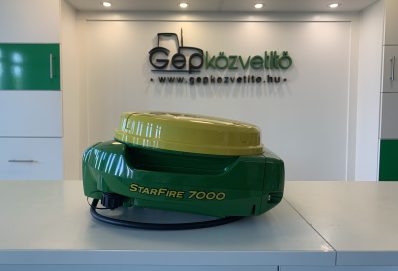
One of the best-known smart solutions in agriculture is automatic steering. With the help of GPS- and RTK-based systems, the tractor is able to follow a predetermined path with a high degree of precision. At first glance, this may seem like a simple convenience feature, but it can actually yield significant economic benefits. The operator doesn’t have to constantly monitor the tractor’s path, so they get less tired during a potentially long workday in the summer.
In addition, the number of overlaps can naturally be reduced, unnecessary passes can be minimized, and fuel, seeds, or pesticides can be used more efficiently.
The main advantage of precision technologies, therefore, is that they are not limited to large-scale operations and offer opportunities for all. With the right machinery and equipment, even smaller farms can improve their efficiency.
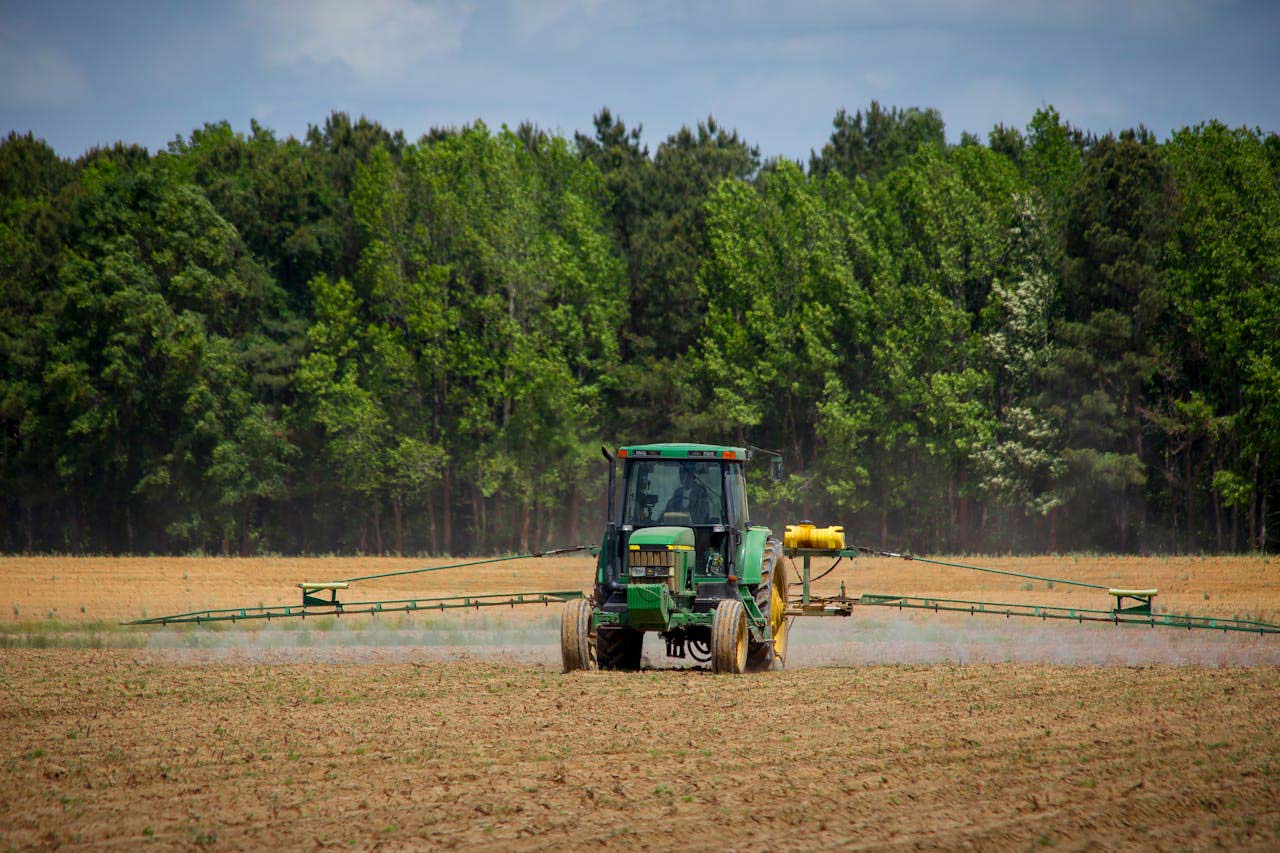
Technology does not replace the machine operator
Many people believe that the goal of automation is to completely replace human labor. In agriculture, however, the situation is a bit more complicated than that. A smart tractor or precision farming system cannot replace professional experience; rather, it complements it.
For this reason, the machine operator remains a key player, as he or she interprets the data, monitors work processes, and identifies situations that require human judgment.
But this may be even more important when it comes to engaging younger generations. Machines equipped with digital systems can bring agriculture closer to those who already use modern technologies as a matter of course in their daily lives. After all, in order to keep pace in this field as well, innovation and the younger generation are absolutely essential.