
New Challenges in the Maintenance of Modern Agricultural Machinery
2026. October 30.When someone starts farming, they must pay attention to more than just what and when to plant, what equipment to buy, and how and with what to spray. A much more important task is the regular maintenance and servicing of agricultural machinery. Wear-and-tear parts, oil changes, the hydraulic system, or even a malfunctioning engine all require attention. Of course, a tractor or a combine harvester today doesn’t require the same maintenance as older models, but that doesn’t mean we should forget about them.
A tractor today is no longer just a tractor
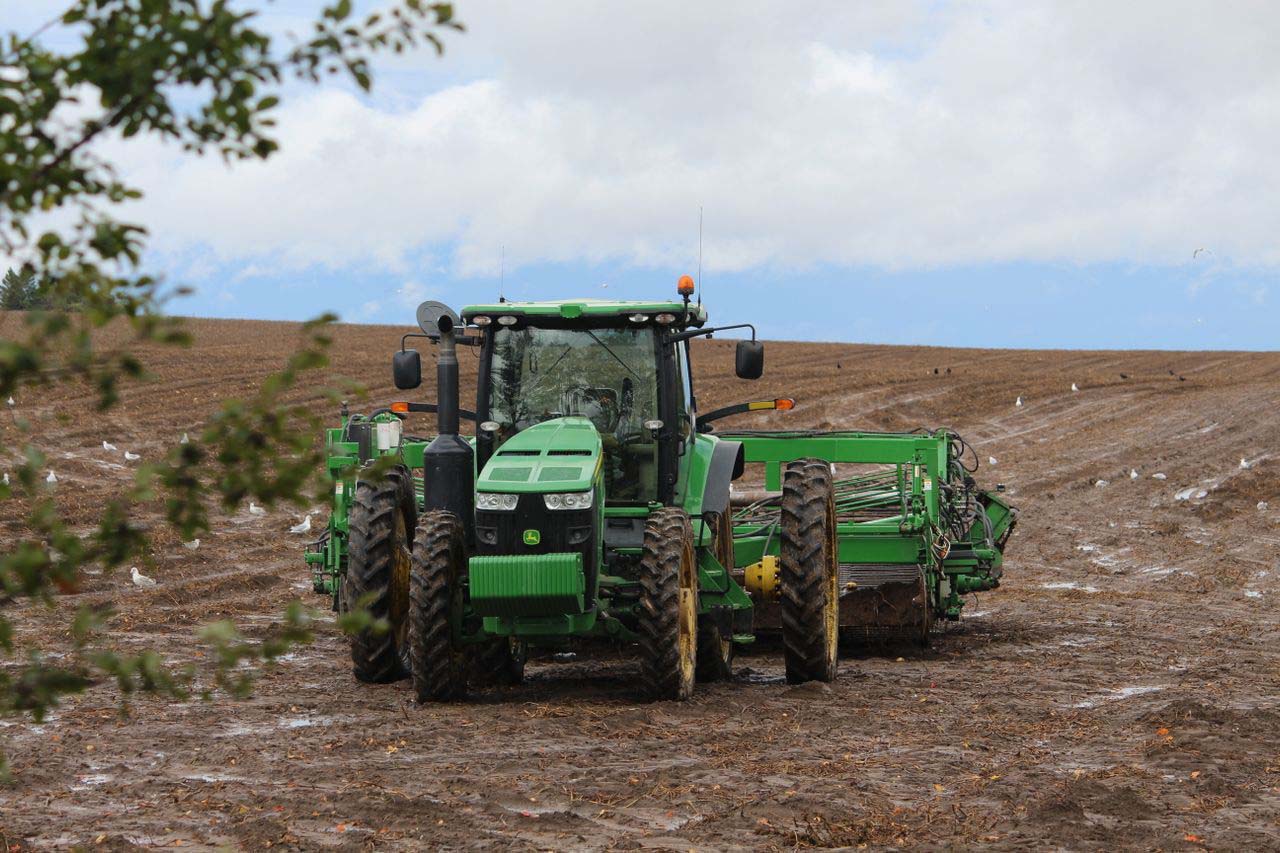
Today’s machines are equipped with sophisticated electronics, sensors, onboard computers, and GPS-based solutions. The ISOBUS system, for example, allows certain functions of the tractor and its attached implement to operate within a single system.
From a farmer’s perspective, this can offer a host of benefits. Not only will it make it easier to operate farm machinery, but it will also make it easier to manage the data required for precision farming. However, this also means that in the event of a malfunction, many more factors must be examined to identify the problem.
For example, if a machine isn’t working properly, it doesn’t necessarily mean that the mechanical part of the machine itself is at fault. The problem could be with the communication system, the sensor, or the controller, among other things, but often all you need to do is check the settings.
What does the error code indicate?
One thing is certain: ever since diagnostic systems have existed, we’ve had access to much more information. That’s because machines are now capable of signaling when they detect a malfunction in a specific area.
However, an error code does not mean the problem will be fixed automatically, since it does not, on its own, indicate exactly which part needs to be replaced. For this reason, mechanics still need technical expertise and experience to interpret the data and identify the source of the problem.
When a machine breaks down in agriculture, it doesn’t always happen at the best time or place. During harvest, a downtime of several hours can be a huge problem, since work must always be adjusted to the weather and the condition of the crops. And if the machine can’t be repaired in time, work in that area will certainly come to a standstill until it is.
What is needed for servicing?
However, repairs are carried out very differently than they used to be. Computer diagnostics are now used in almost every case when servicing modern machines. Technicians can access machine data on-site, check the control units, and, for certain systems, perform updates and software adjustments.
But remote diagnostics are not uncommon these days either. When the machine’s data arrives at the service center, the technician can often diagnose the problem without even being physically present. The advantage of this is that the technician doesn’t arrive on-site to deal with an unknown fault, but goes out prepared with the right tools and parts.
This is also important because it makes the supply of parts much simpler. When it comes to repairing a tractor worth tens of millions of forints, it makes a big difference whether the mechanic can complete the repair on the first try or needs to make multiple visits.
The Role of Data-Driven Maintenance
The data collected by machines is important not only for repairs but also for routine maintenance. Based on operating hours, load, and various other data, it is possible to track more accurately when a given maintenance task is due. This isn’t as significant for a smaller farm, but it can be important for larger fleets, since it’s impossible to keep track of the servicing needs of multiple tractors, combines, and other machinery in one’s head.
Agricultural machinery can therefore be used just as it was in the past. However, today’s machines incorporate much more technology, so it’s less likely that we’ll be able to fix the problem with a DIY repair at home. When it comes to servicing, however, it’s important that the mechanic be familiar not only with the machines themselves but also with new technological solutions. If the mechanic can perform the service quickly, it can save the farm a great deal of time and energy—and in many cases, money as well.