
Food price inflation slowly eating away at everything
2022. November 30.The effects of rising food prices have rippled through the economy, from the introduction of price controls and trade restrictions by governments, to a reduction in consumer spending in some areas due to rising food prices.
The war has hit the food supply chain in particular, causing a surge in energy prices, which has increased fertiliser and transport costs.
Add to this the dry weather of recent years and you have instant chaos.
Serious price increases by producers
Data recently released by the Hungarian Central Statistical Office (KSH) showed that producer prices were nearly 61 percent higher in September than a year ago.
Thus, the 2.2 percentage point increase observed in August suddenly turned into an 8.1 percentage point rise.
This price increase was most striking for livestock purchases and animal products.
The two together showed an increase of almost 65 percent.
But the producer price of crop and horticultural products was also up by almost 60 per cent on last year, which is also a pretty scary figure.
We cannot forget, however, the recent decisive rise in the price of eggs, which, in addition to the Russian-Ukrainian war that started on 20 February, is also due to the outbreak of avian flu.
This year, the outbreak has infected more than 19 million eggs in the United States, representing a loss of around 6 per cent.
But the situation in France is even more dismal, with around 8 percent of their flocks lost.
These two factors have made global supply incredibly difficult and have pushed up prices, which in turn are eating into the profits of bakeries and food companies.
What’s more, they are struggling with the increased cost of flour and other commodities.
Government response: price freeze
The Association of Hungarian Egg Hybrid Farmers and Egg Producers has expressed its strong opposition to the extension of the price freeze to eggs, fearing that in the longer term this move could not only affect the supply of the population, but also jeopardise development and reserve production.
Furthermore, it is concerned that the price cap could lead to a loss of up to 25% for producers, which will have a major impact on the realisation of the necessary income to make a living.
The situation is particularly worrying because it is precisely during the Christmas period that they would have the opportunity to make a bigger profit.
After all, most eggs are consumed at this time and at Easter.
The profit in the summer is almost negligible compared to these two periods.
What does the price of eggs consist of?
In general, supply and demand determine the price of a product.
Therefore, producers constantly monitor the market to see whether the prices they can find will cover their costs and provide them with sufficient profit.
However, this may change during the year, as in some countries there are seasonal fluctuations in both production and demand which affect price levels at different times of the year. 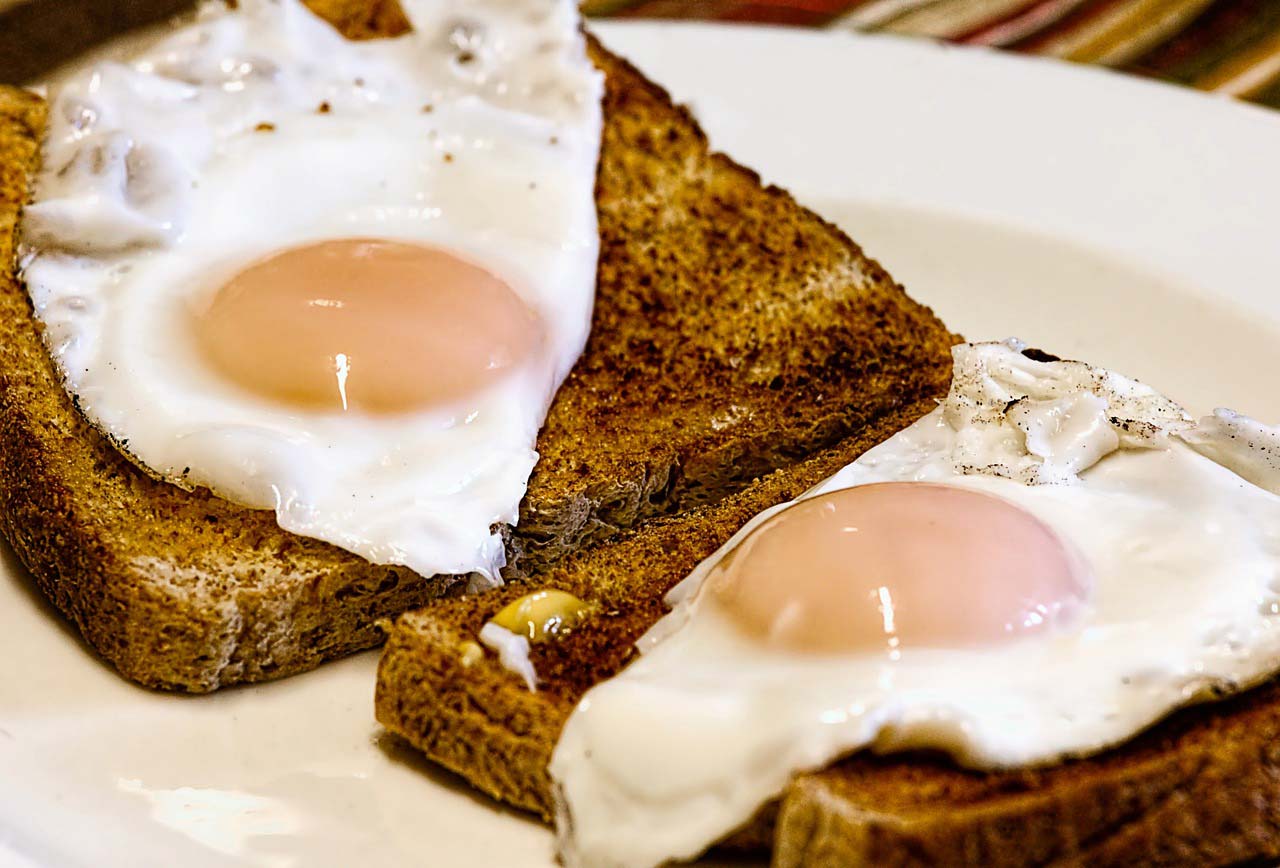 To determine the ideal price, producers outline their costs for production, marketing, handling, transport, product loss and other contingencies (e.g. longer transport due to a transport accident).
But they also include in the final price the fees and taxes paid to the local government.
To understand the situation, let’s look at the first category in more detail.
In the case of eggs, around 70 percent of the production cost is feed, the price of which has soared due to the Russian-Ukrainian war – almost four times more than last year.
Unfortunately, this is not the only worrying factor.
Forage prices are based on world market prices, so it is quite common to have to pay in euros.
And given the weakness of the forint, this is not good for purchase prices either.
Other significant items include, for example, the purchase of laying hens, which, as mentioned above, is also quite difficult due to the avian flu situation.
GKI Gazdaságkutató Zrt.
also
They argue that since the recently introduced price freeze only applies to grocery stores, there is nothing to stop market traders from selling eggs at higher prices than ever before – especially if there is a shortage of the product on supermarket shelves.
RTL Klub’s crew visited the market in Békéscsaba in mid-November and were pleased to find that GKI’s forecast had not yet come true.
The price for larger eggs was 95 HUF and for smaller ones 85 HUF, which is the same as before the price freeze.
The Institute of Grocery Distribution (IGD) forecasts that food price inflation will peak in early 2023.
It will be around 17-19% and then gradually slow down over the next 12 months.
Incidentally, it was originally forecast in June this year that price rises would accelerate until autumn 2022, peaking at 14-16%, before dissipating by mid-2023.
However, since June, significant strategic changes have affected this industry and the outlook for inflation has deteriorated.
This is why the IGD issued a revision of its forecast in early November.