
Remote diagnostics in agriculture: preventing problems before we even notice them
2026. July 27.Modern agriculture faces challenges such as unpredictable weather, drought, and sudden outbreaks of plant diseases. In this struggle, the main enemy is always time. By the time symptoms become visible to the naked eye, the damage is often already completely irreversible, and part of the crop has already been destroyed. This is where one of the greatest innovations comes into play: remote diagnostics.













This technology may, in fact, be capable of detecting signs of stress days or even weeks before physical symptoms appear, giving us an opportunity to intervene.
What does “remote diagnostics” mean?
Remote diagnostics in agriculture is essentially based on remote sensing and data-driven analysis. During this process, satellites, drones, and IoT sensors installed in the soil or on vegetation continuously collect data from farm fields.
The basis for all of this is the light spectrum. During photosynthesis, plants absorb most of the visible light while reflecting near-infrared light. When a plant is under stress—whether from water or nutrient deficiency—its cellular structure and chlorophyll content change immediately. This internal transformation can alter the spectrum of reflected light even before the color of the leaf changes. Drones and satellites equipped with multispectral cameras capture precisely these variations and then use an algorithm to convert them into maps for farmers.
The Science Hidden in Data
The data obtained through remote sensing are evaluated using a type of vegetation index. The most widely used index is the Normalized Difference Vegetation Index, or NDVI, which measures the ratio of visible red to near-infrared light reflectance. NDVI values can accurately indicate biomass density and the overall health of plants.
In recent years, with the advancement of precision agriculture, simpler indices such as GNDVI—which is more sensitive to nitrogen availability and chlorophyll concentration—have emerged alongside NDVI. There is also the NDRE, which penetrates deeper, thereby reaching the canopy of denser vegetation. By using these data together, remote sensing software generates stress maps with centimeter-level accuracy, clearly showing when the plants’ immune systems begin to weaken in a specific part of the field.
Disease and Drought Management
The main advantage of early detection is the possibility of targeted intervention. When a fungal infection breaks out over a large area but is still only detectable at soil level, it would be impossible to detect it using traditional methods, so the entire field would have to be sprayed.
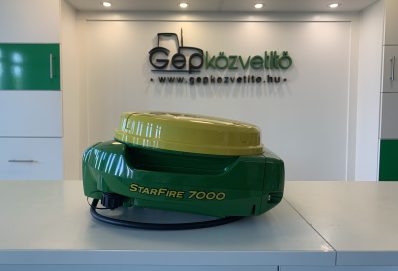
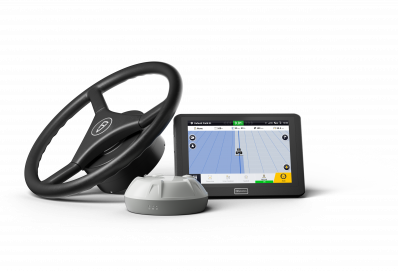
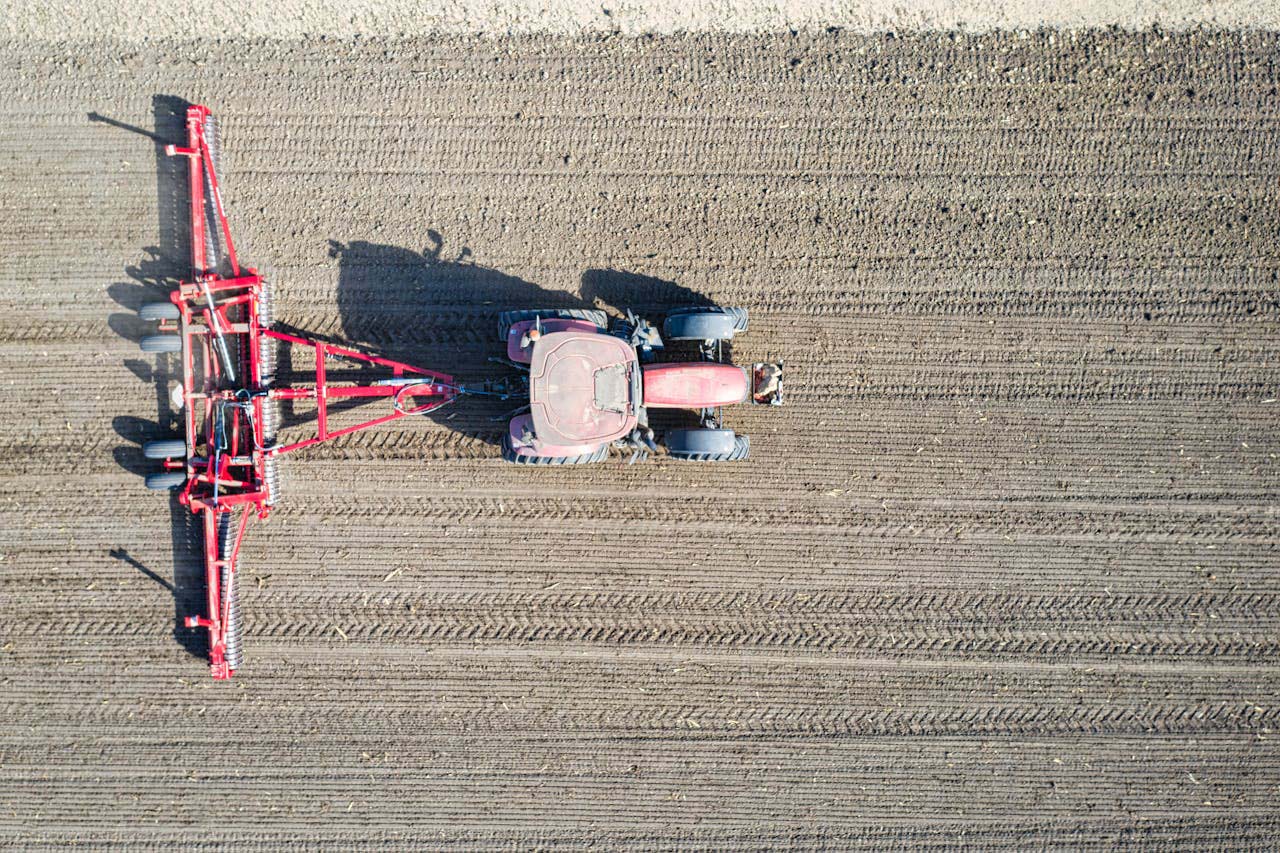
With remote diagnostics, however, farmers are notified of the problem even when the infection is still barely visible. The application map generated from drone or satellite data can be directly loaded into modern, GPS-guided tractors or spray drones. This ensures that the pesticide is applied only to the infected areas. In addition to reducing costs, this represents a huge step toward environmentally conscious, sustainable agriculture. Why? Because it minimizes the use of chemicals on the soil and in the environment.
This technology also plays a major role in drought management.
Using soil moisture sensors and thermal imaging cameras, the transpiration rate of plants can be accurately determined. When a plant is suffering from water stress, it closes its stomata, causing the temperature of its leaves to rise. Remote diagnostics immediately signal this increase, allowing irrigation systems to be activated before the plants suffer permanent cellular damage, begin to wilt, or die.
Remote diagnostics, therefore, is not an unattainable tool for farms. Rather, it is a system that increases efficiency and reduces risk, which can be a huge advantage even for smaller family farms.