
Spring is coming! It’s time for the first agricultural work
2023. March 31.Spring has sprung and it’s time to get the first agricultural tasks done.
The time has come to grab tools and machinery and head for the garden, the vegetable garden, the field to cover them with all the good things of the earth.
There’s a lot to do outside at this time of year, so it’s a good idea to take it nice and easy, weather permitting.
In this article, we’ll tell you what are some of the tasks you should get on with as soon as possible.
A question of weather
To start with, no matter how large the area, we can only start work if the weather conditions are right.
Neither soil that is too muddy nor too dry is a good place to start.
If it’s too cold, it can damage the plants, the seeds won’t germinate and you’re wasting your time.
But if the weather is warm and the soil is of the right quality, you can throw yourself into the task outside with all your might.
Get the tools and machines ready!
The first and most important task is to take out the tools and machines that have not been used for a long time, check them over and repair them if necessary.
Scrape off any rust or dust, as only clean and freshly sharpened tools should be used to start work.
This also applies to machines.
Check that the wiring is in order, and start and fill up with all the necessary fluids and fuel.
If it has been stored properly over the winter, there shouldn’t be a big problem, but a check will still be necessary.
Let the pruning begin!
As farmers, we understand the importance of plant maintenance.
If you are growing fruit trees, it is time to start the main task, which is central to ensuring not only that the yield is high, but that the fruit itself is of good quality.
We must not delay, because the mild weather will cause the plants to wake up and come to the end of their dormant period, and the first buds will appear, when not everything should be pruned. 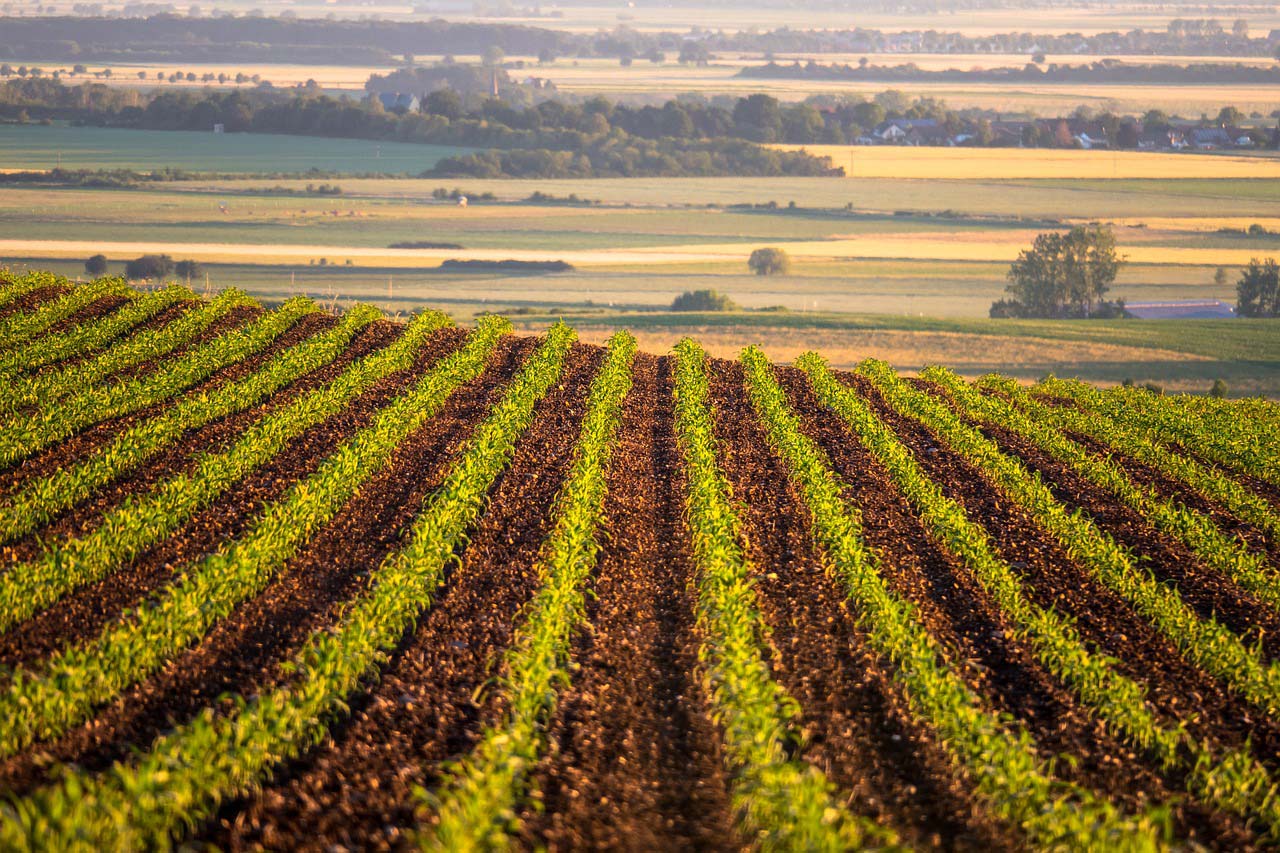 If we haven’t done so, let’s clear the foliage from under the trees and make sure that the fruit is really fruit that is worth growing.
What is particularly important, however, is to cut off any diseased or damaged parts, so that there is less chance of infection and disease spreading.
Early spring work in the field
For autumn sown crops, the first head-dressing is probably over.
We have purchased the necessary nitrogen fertiliser, but we hope that only sulphur nitrogen was used, as it has a positive effect on the growth rate of the plants.
We can also add nutrients in the autumn and apply foliar fertiliser.
In the case of cereals, this should be done in the second half of March, possibly in the first week of April.
This is the best time to apply nutrients to the soil, including zinc, copper, manganese and magnesium.
For autumn cabbage, the situation is a little simpler, as you have about a month and a half to spray the right fertiliser.
With a good nutrient and fertiliser, you can achieve a yield increase of up to 8-10%, which guarantees success.
In the spring sowing, however, you need a basic fertiliser and how to buy it.
The best is a hot-granulated, nitrate-based complex fertiliser, but of course cheaper and less effective fertilisers can be used, but they will produce much less yield gain.
So the most important thing, if you have an orchard, is to carry out the most important task – pruning.
To do this, use clean and sharp tools to make the most efficient cut possible.
However, if you are growing autumn and spring crops in arable land, it is time to fertilise and replenish nutrients to ensure that all crops grow at the right rate.