
Innovations in agricultural machinery: from feeding to storage
2023. November 28.Agriculture is constantly innovating.
Year after year, innovations come along that most farmers can’t compete with.
However, these machines and techniques are an important part of progress, economy, precision and efficiency.
In the following article, we explain this topic in more detail, so that everyone is aware of the innovations in agriculture.
The emergence of innovations
There is precision agriculture, for example, which has been talked about a lot, but we still haven’t been able to go into everything in detail.
Advances in IoT and drones have enabled farmers to collect much more accurate data on production processes, helping to use resources more efficiently and improve productivity.
It is an approach that uses modern technology to optimise agricultural processes.
Using sensors, machinery, drones and other tools, farmers can accurately determine the need for irrigation, fertilization and other agronomic activities.
This allows for more efficient use of resources such as water and fertiliser, reducing waste.
Not to mention the fact that more accurate data and more efficient use of resources will allow farmers to reduce costs.
They will need less fuel, less fertiliser and less water, reducing input costs and increasing profitability.
The self-propelled machines
Self-propelled agricultural machinery has become increasingly common on modern farms.
There are now tractors and harvesters that do not require human presence.
These machines navigate the field autonomously, minimising human intervention and optimising workflow.
Self-propelled tractors perform tillage, seeding and harvesting tasks.
Harvesters, like combine harvesters, harvest, clean and move material, while sprayers and fertiliser spreaders carry out their tasks independently in the designated area.
These machines follow precisely programmed routes and tasks, minimizing machine downtime and time loss.
Because they operate autonomously, they reduce the need for labour, especially in areas where manual labour shortages would be a problem.
And with the help of sensors, GPS and other technological innovations, they can perform agricultural operations such as seeding and spraying with much greater precision. 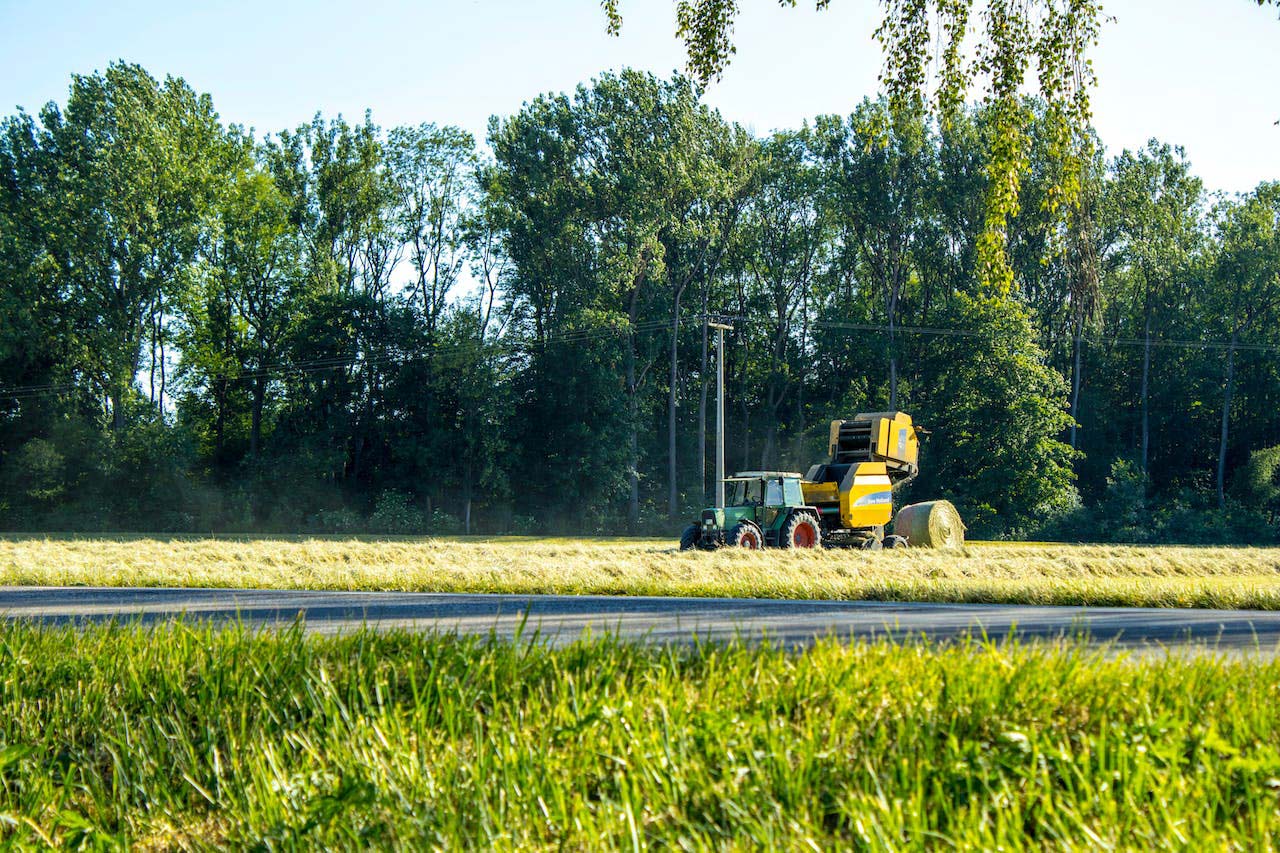 Their biggest advantage, however, is their ability to operate at night or in bad weather conditions, increasing the seasonal duration of agricultural activities.
In today’s situation, where we cannot even predict whether it will rain that day or not, the presence of such self-propelled agricultural machinery can be a great advantage.
What about agricultural robots?
Agricultural robots, such as weed whackers and harvesters, are becoming increasingly common.
These machines can also perform certain tasks on their own, reducing the labour requirements on the farm and increasing efficiency.
With the growing demand for sustainability, more and more agricultural machinery is being designed and manufactured with a view to greening the production of food, crops and other plants.
Tools are easy to program and adapt to different tasks and conditions.
This gives farmers flexibility to adapt to changes in production needs.
And through more precise operations and more efficient use of resources, robots can contribute to environmentally friendly production and sustainable agriculture.
And some robots can even be of great help in storage.
The icing on the cake is that some tasks, such as applying chemicals, are dangerous work, but if we can replace this with robots, we can save many more people from potential contamination.