
Can we expect a shortage of goods in the winter months?
2022. November 25.Thanks to the official prices, everything else is going up in price, so the cost of storage is also going up.
Farmers are trying to compensate by trying to sell all their produce this year.
But is that possible?
What will happen to us next year?
How much shortage will we face from January?
Everyone is facing a difficult period
Growers have already faced huge challenges in the summer months, as the dry and hot summer has already caused a lot of fruit and vegetables to spoil.
And in autumn, the machines could not work because it rained continuously for some time.
Not only were they unable to harvest the already scarce crops, they also had little opportunity to plough and fertilise.
This is now being compounded by the fact that energy prices have risen so much, which has implications for the issue of storage.
It’s not just vegetables and fruit, as in fact all food and ingredients need some form of storage.
The wholesale price of sugar is twice what it is sold for in the supermarket and, although it has a long shelf life, who can afford to bother?
Agricultural and other machinery does not run itself, it consumes a lot of energy and fuel to run it.
Officially priced food is already in short supply, what will happen to us in the coming months?
Most farmers and growers of fruit and vegetables are trying to get rid of all their produce before Christmas so they don’t have to pay additional storage costs.
However, this could mean that a lot of domestic produce could be off the shelves by January.
It is not only a challenge for retailers
In the shops, we have already seen a shortage of goods, as in many places there is no cooking oil, sugar or even flour.
These are usually intermittent and not everywhere has a problem getting them on the market.
However, it was very inconvenient in the summer when it was impossible to buy sugar, because there was none in the shops for weeks and people could not save jam or preserves for the winter.
This will only get worse around Christmas, as everyone will need nuts and poppy seeds for bejgli, sugar and honey for gingerbread and carrots and beetroot for meat soup.
So the situation will only get worse, not to mention the weeks and months at the beginning of the year.
However, it is no use having all the earthly good things in the shops if you can no longer buy good quality food at these prices.
The price of some products cannot go above a certain level, but that does not mean that some of us do not have a problem with this.
Shortage of goods can lead to a drop in quality
 Any product that is subject to a price freeze, we end up paying the price for ourselves.
Not only have storage costs gone up, but also transport costs, so the price of a product goes up week by week, and above a certain level we can no longer buy it, so we look for cheaper things.
Moreover, experience has shown that where official prices have been introduced, shops are trying to fill the shortage with substitute products.
These foodstuffs are usually of poorer quality than the milk, eggs, meat, other food or drink previously available.
For example, there is a price freeze on chicken breast and chicken tail, to which chains have responded by building the loss into the price of substitute products.
They are trying to get out of the hole.
Prices of almost all processed chicken products have soared recently, with chicken legs, for example, rising by more than 60% in a year.
For chicken wings it is 53%, while boneless chicken is also close to 60%.
However, despite the rise, there are fewer and fewer places to buy these products, and there are often shortages.
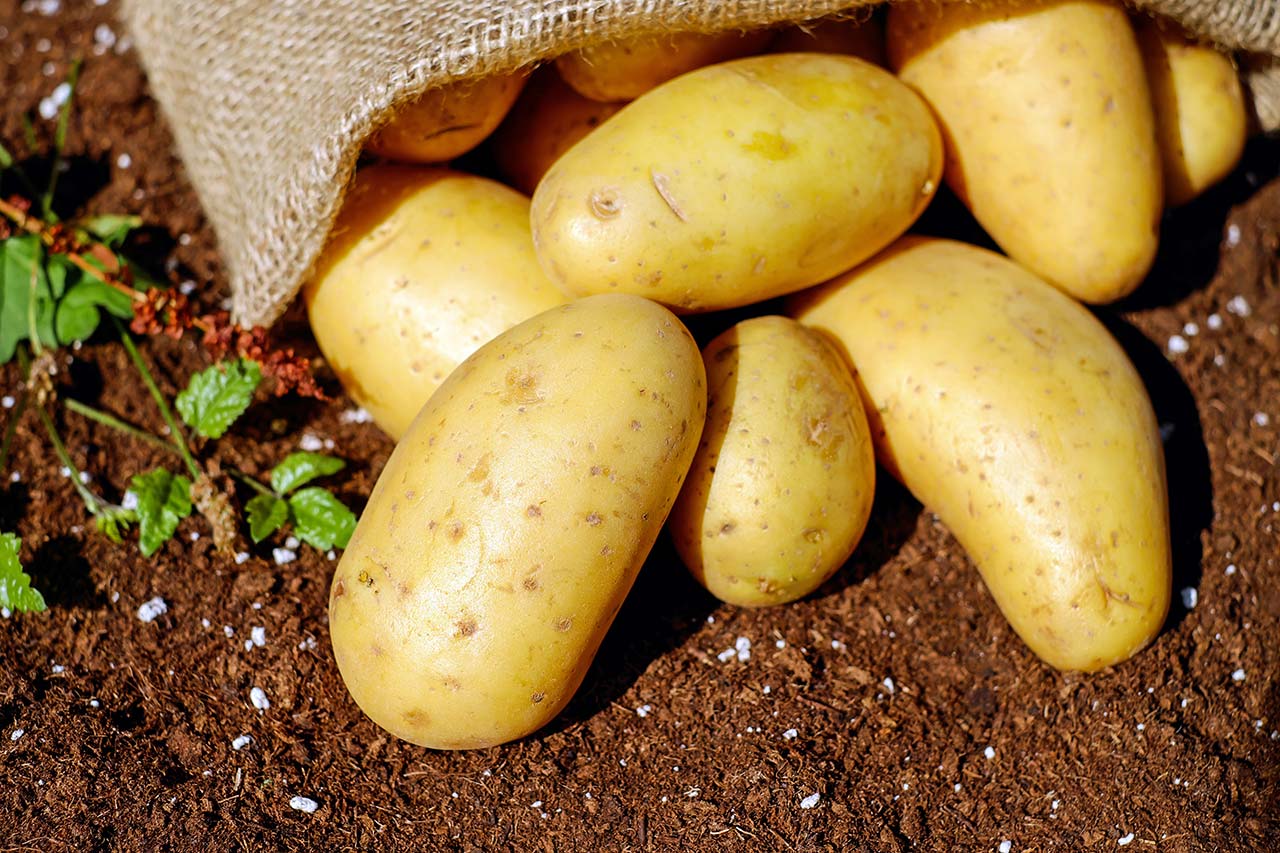
We will also have problems with potatoes, which are also subject to a price freeze, and their storage costs are high.
We will therefore soon be facing shortages, as the products sold by farmers are slowly running out of shops, and their place will be taken by foreign potatoes at best.
The same is true for carrots and other root vegetables, which can be kept in a cool place until December, but from January they will need special refrigeration, which farmers can no longer afford.
Which products are already causing problems?
In September, there was a shortage of bulk milk in most parts of the country.
Although farmers had sold 70% more milk than last year by the end of August, supply problems followed.
The same is true for sugar, which is not available at all in many places, not only domestic but also foreign.
The shortage of goods has been caused by people starting to buy up and stock up because they fear that the price freeze will be lifted, after which these products will also be much more expensive.