
4 key agricultural machinery trends
2024. November 28.Every year there are forecasts for agriculture and heavy machinery. Growing markets are driven by innovations such as artificial intelligence, cloud technology and even smart cities.










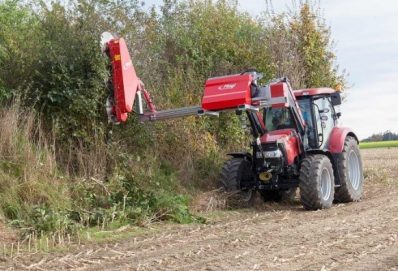




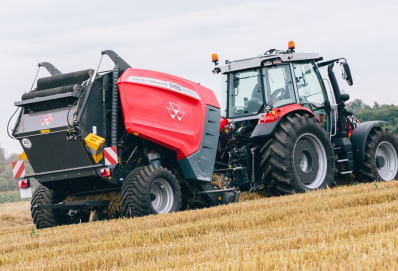


However, things are changing, global machinery sales have rebounded since the epidemic, the sector has regained momentum and experts believe the market could even expand. But to what end? What can we expect in the future? Now is the time to find out.
What is happening in the field of agricultural machinery?
The agricultural machinery market is expected to peak between 2018 and 2019. Although there have been positive figures since then, growth has been steady and declines regular. The intertwining of agricultural mechanisation and the prosperity of companies is no coincidence that market forecasts differ.
Trend 1: Sustainable agriculture
Natural resources, water supply and the rapid deterioration of the soil are problems that have forced agricultural machinery manufacturers to move in a more technological direction. Making productivity more efficient is a trend that is sure to continue for some time. There will be a great demand for food in the years to come, but satisfying everyone will become increasingly difficult, especially because of the environmental impact on agriculture. Machinery is likely to undergo a minor revolution, with equipment coming to the fore that was previously unknown or little used. States will also support the switch to agricultural equipment. In most countries, agriculture is at the top of the list for the government, because it helps everything else, it is the engine of life and industry. That is why the use of sustainable agricultural equipment will be important.
Trend 2: Precision farming is becoming increasingly popular
The agricultural machinery industry is at the forefront of technological innovation, so it should come as no surprise to hear us say that more and more people are choosing precision farming. Although it is not cheap to implement and the use of high-tech equipment is not easy, most farmers are not afraid of the challenge. Field sensors or even unmanned aerial vehicles give farmers the opportunity to keep an eye on everything, improve productivity and increase yields. In addition, the resulting data can provide insights into crop distribution and other factors to improve. What is certain is that precision farming is the future.

Trend 3: Use of robotics
Perhaps the previous point also explains the growing interest in robotics. Its widespread adoption is so far limited to large companies, but it is likely to spread elsewhere. In many countries, machines have already reached the size limit, which means that further development is limited. The new direction is machine learning and the use of artificial intelligence. Robotic tools and machines can perform ideally in any conditions. They can increase the efficiency of operations as well as agricultural production. Equipment can work at night and on weekends, speeding up production processes and of course reducing production costs. The growing market demand for products will force everyone to use robotics for certain operations, as they will not be able to keep up otherwise. Competition in the sector is fierce and no one wants to be left behind.
Trend 4: Using remote solutions
Finally, companies will place more emphasis on remote solutions and working. Technologies will give us the opportunity to explore new ways of managing. One of these is the creation of autonomous workforces, which are already being used in many countries around the world. Employees are thus able to work autonomously on complex tasks, all with the right data and tools. As a result, companies are looking to teleworking solutions for more industries, which will give workers a wider range of options.