
The Threats Posed by Tafrina and Monilia in Agriculture
2026. November 25.There are certain weather conditions that can create favorable conditions for the spread of fungal diseases that threaten apples and pears. Periods of rain and high humidity, combined with rising temperatures, can trigger infections by pathogens that cause scab in pome fruits. However, by carrying out plant protection measures at the right time, we can prevent various problems from arising, whether in home gardens or commercial fruit production.
The Dangers of Fallen Leaves
One of the major fungal diseases affecting apple and pear orchards is scab, the pathogen of which can persist on infected plant parts. Fallen leaves can be a particularly significant source of infection, as the pathogens that overwinter on them can threaten the orchard again the following year.
Therefore, during fall gardening, it is very important to set aside time to collect, remove, and properly dispose of infected foliage. Tilling plant debris into the soil can also be part of a control strategy, but only if local growing conditions are taken into account. This is because not all soils and plants benefit from this debris.
But let’s not just think about urbanization, because in addition to the tafrina disease affecting peaches, there are also monilia and other fungal infections that can also make next year’s crop more difficult to grow. That is why it is very important to remove infected plant parts and to regularly inspect the condition of the orchard.
Foliar spraying is part of fall crop protection
The leaf-fall season is the perfect time to set aside some time for foliar spraying. The use of copper-based products can be effective against several pathogens. However, when selecting the appropriate product, it is important to consider the specific crop as well as the authorization requirements for the current season.
For example, there are various copper hydroxide-, copper oxide-, and copper oxide chloride-based formulations, each with different properties. When using these, it is very important to use the correct concentration and to ensure that the spray is applied evenly to the plants. It is also important that every part of the plant be covered, since missing even a small area is enough for the disease to strike immediately.
The good news is that such products are already being used in organic farming; in addition, certain potassium hydrogen carbonate-based products can also be a good solution, as they can deliver effective results in plant protection.
Let’s not focus solely on spraying!
The success of the next growing season isn’t determined solely by disease control; adequate nutrient supply, soil quality, and the overall condition of the plants can also be crucial.
Products containing certain algae extracts, amino acids, and humic acids can effectively support plant growth and their ability to withstand stress. Products containing beneficial microorganisms, on the other hand, tend to play a greater role in maintaining soil health. This is because the bacteria living in the soil require a constant supply of nutrients, which we can often only provide through external means.
The Role of Agricultural Machinery in Fall Work
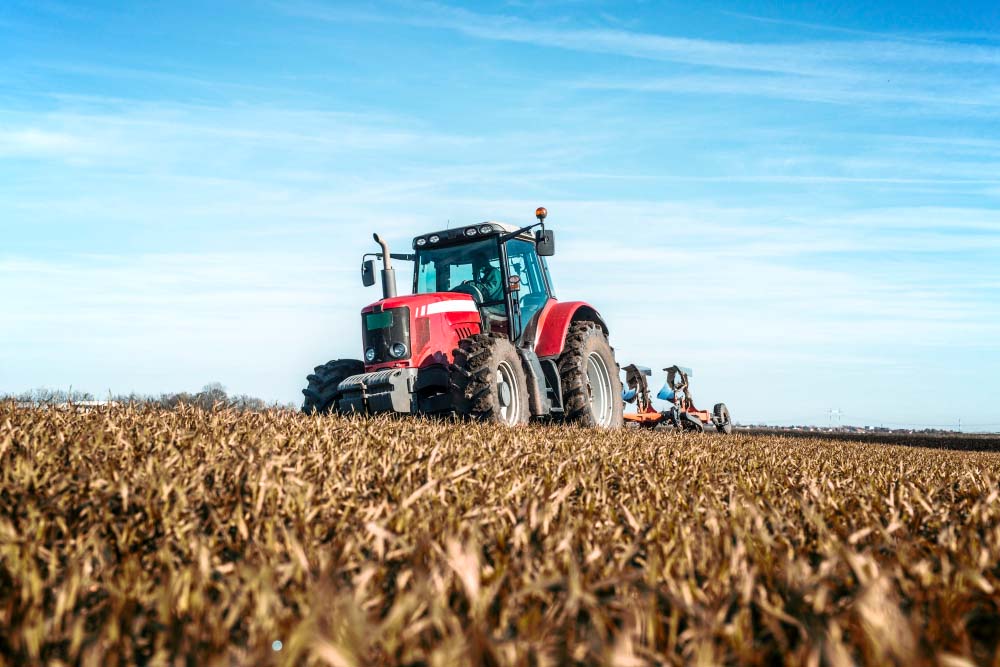
It is absolutely clear that crop protection and plantation maintenance are very important, but proper machinery is also needed to manage these tasks effectively. Different tools are required for handling foliage and other plant debris, for soil preparation, and for spraying tasks.
For sprayers, end-of-season inspection and maintenance are very important. Once the last jobs are done, it’s a good idea to check the nozzles, filters, seals, and other parts if you plan to use them again in the spring. Proper cleaning and storage of the equipment can help ensure that it remains operational for many years to come.
Conscious fall plant protection and professional orchard management can help ensure that the trees remain healthy next year and, ideally, that we achieve an adequate yield from them.