
Lessons from the Drought
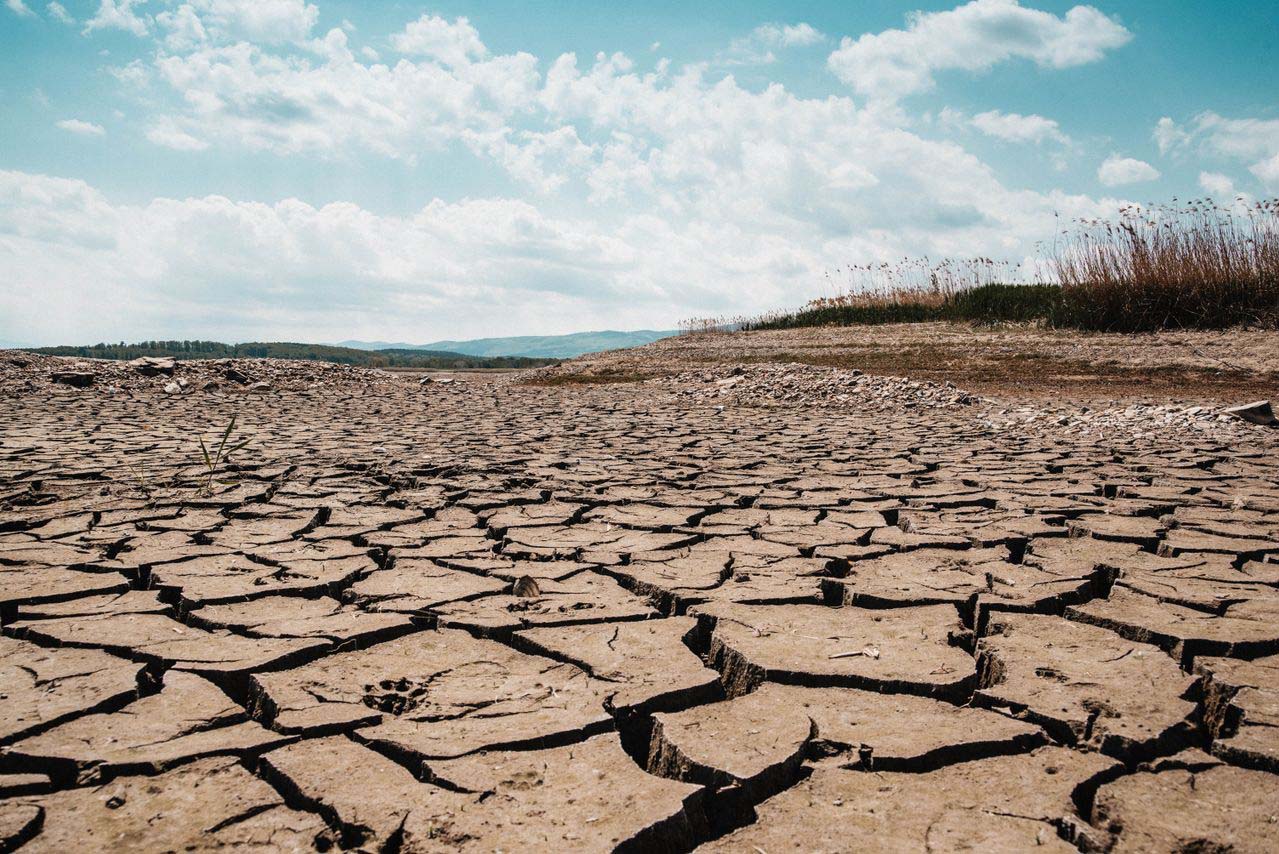
2026. November 12.During a drought, it’s clear to everyone that plants cannot go without water. However, as the drought intensifies, irrigation is no longer such a simple task. Watering vegetable gardens, orchards, and farmland is essential at such times, but less is said about how the disappearance of natural water sources also threatens wildlife. For them, access to drinking water is just as essential for survival as food or shelter.
Why was the summer of 2026 so extreme?
According to the data, the summer
of
2026 was the driest on record based on national data collected since 1901. Preliminary measurements show that barely 74 mm of precipitation fell, which is only 36% of the average for the period between 1991 and 2020. Temperatures also deviated significantly from the norm, as the average summer temperature was 2.6 degrees higher than the previous average.
A precipitation deficit of this magnitude is having an impact on nearly every aspect of agriculture. Plant growth slows down, crop yields decline, and soil moisture reserves can drop significantly. At times like this, farmers must not only focus on protecting their current crops but also ensure they prepare for the next season well in advance so they can mitigate weather-related risks in a timely manner.
Based on this summer’s experiences, it has become clear that long-term water management planning will become an increasingly important part of agricultural work. It would be important to collect precipitation that falls during the winter, which could then be used freely for irrigation in the summer.
It’s Not Just Farmland That’s at Risk
The effects of prolonged drought are not limited to gardens. Natural water bodies—rivers, lakes, and seasonal wetlands—are also drying up, which affects the local wildlife. Changes in the availability of water and food can also alter the movement patterns of wildlife. Areas where living conditions remain suitable may become more important. An irrigated orchard, vegetable garden, or a plot of land with good water management may become even more attractive.
It’s not just about watering the plants
Ensuring an adequate water supply isn’t limited to caring for the vegetable garden. Those working in agriculture must also consider how to preserve soil moisture, reduce water loss, and use available water resources more efficiently.
When planning, important factors to consider include the condition of the irrigation system, the availability of water, the soil’s water-holding capacity, and the varying water requirements of different crops. However, by implementing solutions tailored to local conditions, we can reduce the risk of facing significant crop losses during a prolonged drought.
When discussing planning, we must also consider the extent to which the condition of natural water sources is interrelated. The conservation of surrounding aquatic habitats is also an important factor from the perspective of biodiversity.
What should you keep in mind when it comes to protecting agricultural land?
Due to extreme weather, it is becoming increasingly important for farmers not only to respond to current problems but also to prepare in advance for potential changes. Regular field inspections, for example, are not only useful for checking the condition of crops. During these inspections, we can also gain a comprehensive picture of, among other things, soil drying, the disappearance of water sources, changes in vegetation, and the movement of wildlife. All of these factors can help in planning for the coming season.
It is also worth paying special attention to areas bordered by forests, wooded areas, or natural habitats. In such areas, the animals’ movements and feeding habits may change as environmental conditions shift.
For this reason, to protect agricultural crops, you must not only focus on irrigation but also on the use of electric fences and various wildlife deterrents. When selecting the appropriate equipment, however, take into account the size and characteristics of the area, as well as the typical routes taken by wildlife.
The Impact of Drought on Pest Control Measures
Prolonged drought affects not only crop production and the state of the environment, but also the functioning of certain agricultural pest control systems. A good example of this is the electric fence mentioned above, whose effectiveness depends largely on proper grounding. This is because, during operation, the soil acts as part of the electrical circuit, contributing to the system’s function. When the soil dries out, its conductivity may decrease, thereby weakening the fence’s effectiveness. It is possible that a system that previously functioned properly may suddenly fail to provide adequate protection.
An important part of preparing for the next season is for farmers to address water management, soil conservation, and the protection of agricultural land as an integrated whole. This is because drought does not merely cause a single problem; it also affects the entire production environment.