
Is it better to work with a single brand, or should we combine specific types of exercise equipment?
2026. August 22.One of the most important strategic decisions for agricultural and construction companies is the composition of their machinery fleet. When it comes time to purchase new machinery, the question almost immediately arises as to whether the entire fleet should consist of a single brand, or whether it might be better to use equipment from brands that specialize in specific areas.


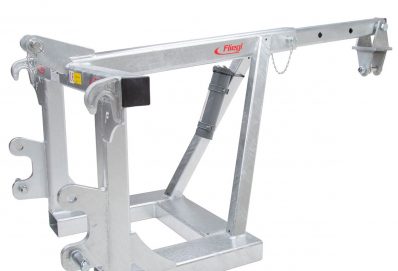

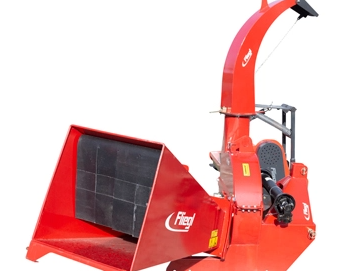
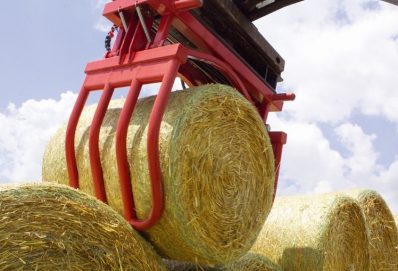
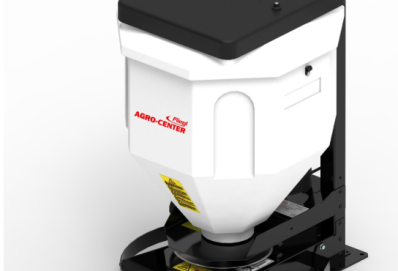
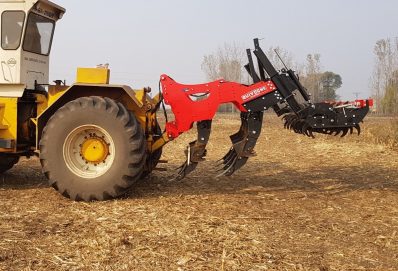
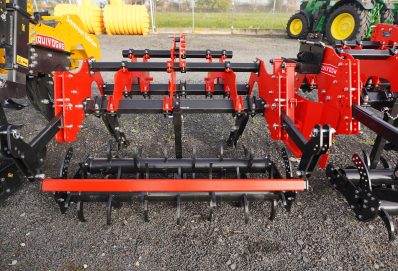

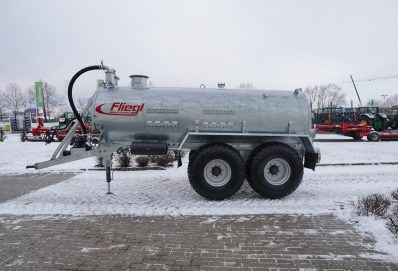

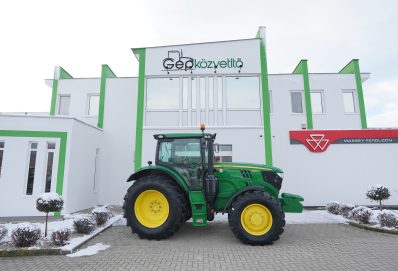


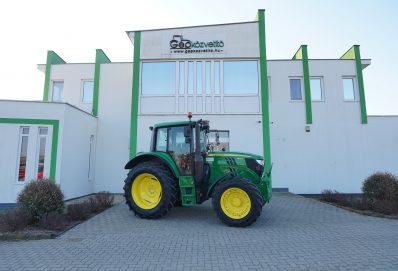
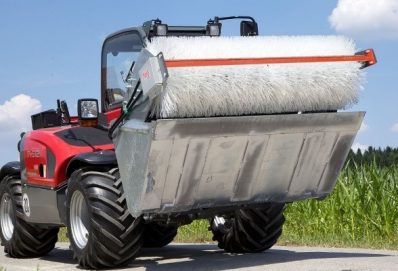
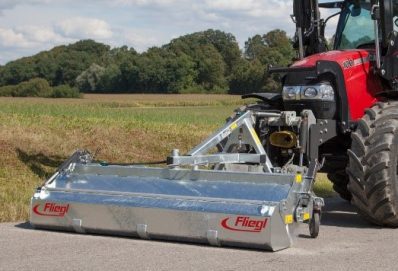
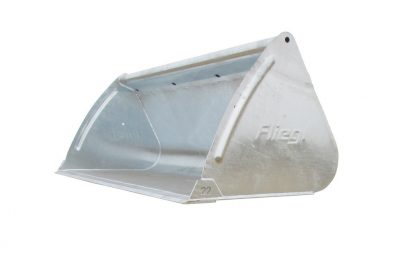
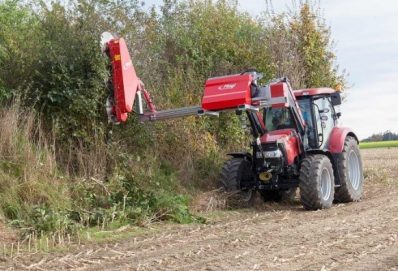


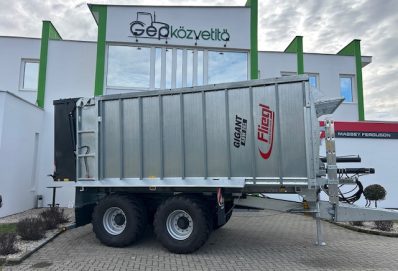
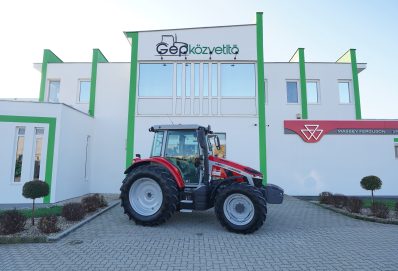


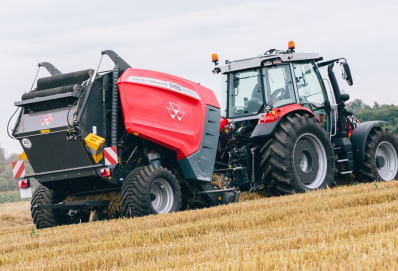
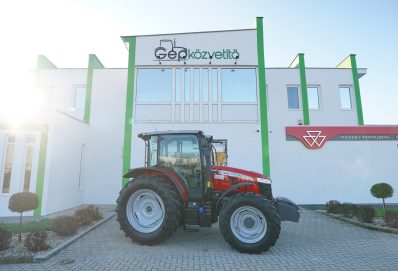
Although it may seem convenient to choose the same model, experience shows that a hybrid combination of specialized machines can lead to significantly greater efficiency and return on investment in the long run.
The convenience of a single brand or the risks of mixing brands
People who are committed to a single manufacturer usually make this choice because it makes communication and servicing easier. You only have to deal with a single dealer, and the controls and operating logic of the machines are very similar, which makes training machine operators easier; moreover, fleet maintenance and parts supply are much simpler as a result.
However, this apparent convenience raises several problems. There is no single manufacturer capable of offering the best technology in every category across the entire industrial or agricultural sector. Most companies have their own flagship products, such as heavy-duty tractors or high-performance crawler excavators. Meanwhile, smaller, auxiliary, or specialized machines are often just rebranded or average-quality designs.
Therefore, if we limit ourselves to a single brand, it is inevitable that we will end up using machines with lower efficiency or that are less optimized for the specific task at hand in each work process.
Maximum performance for every task
For decades, specialized manufacturers have focused on perfecting specific models or areas of operation. The hydraulics, weight distribution, and software controls of a machine designed specifically for trenching, material handling, or precision soil work significantly outperform the supplementary models offered by universal brands.
Why is it beneficial to combine industry-specific machinery? Because it allows us to achieve higher productivity. Machinery designed specifically for a given task performs the work faster, with lower fuel consumption, and with greater precision. In addition, specialized manufacturers have a precise understanding of the target group’s requirements, so everything—from cab ergonomics to quick-connect systems—is designed around the specific workflow.
Finally, and perhaps even more importantly, because of the components designed and sized for the specific task at hand and the frame structures built to withstand specialized loads, these machines are much better equipped to handle extreme stress. This also means they can be used effectively for many years, even decades.
The Challenges of Hybrid Devices
Operating a fleet consisting of vehicles from multiple brands presents several challenges. The most common concerns among fleet operators are the fragmentation of service and telematics systems. If each machine comes from a different manufacturer, separate software and different service partners may be required.

Fortunately, modern technology has overcome this obstacle as well. Independent platforms and universal fleet tracking systems make it possible to manage the operating hours, fuel consumption, and maintenance needs of machines from different brands through a single, centralized interface. What’s more, choosing brand-independent, professional service networks ensures that maintenance doesn’t pose a logistical problem.
Experience shows that the minimal additional costs associated with managing a heterogeneous fleet can be recouped many times over due to the higher efficiency achieved by the machinery.
Many people, therefore, still stick to their favorite brand; however, by combining machinery specialized for specific fields, we can be much more successful. The advantage of a heterogeneous fleet is that we use the best technology available on the market for every task, thereby maximizing productivity, reducing fuel consumption, and ensuring the company’s long-term competitiveness.